Vertical Organization: How to Use Walls to Create Functional Spaces in Minimalist Environments
The Power of Vertical Organization
In an age where urban living often translates to limited space, the necessity for innovative organizational strategies is paramount. The strategic use of walls for vertical organization not only alleviates clutter but also enhances the overall efficiency of a space. Minimalism, celebrated for its focus on simplicity, does not preclude the inclusion of functional elements—in fact, the two can coexist beautifully when walls are utilized as tools for creativity and order.
Consider the vast potential of vertical space within your home or office. By employing walls thoughtfully, you unlock opportunities to:
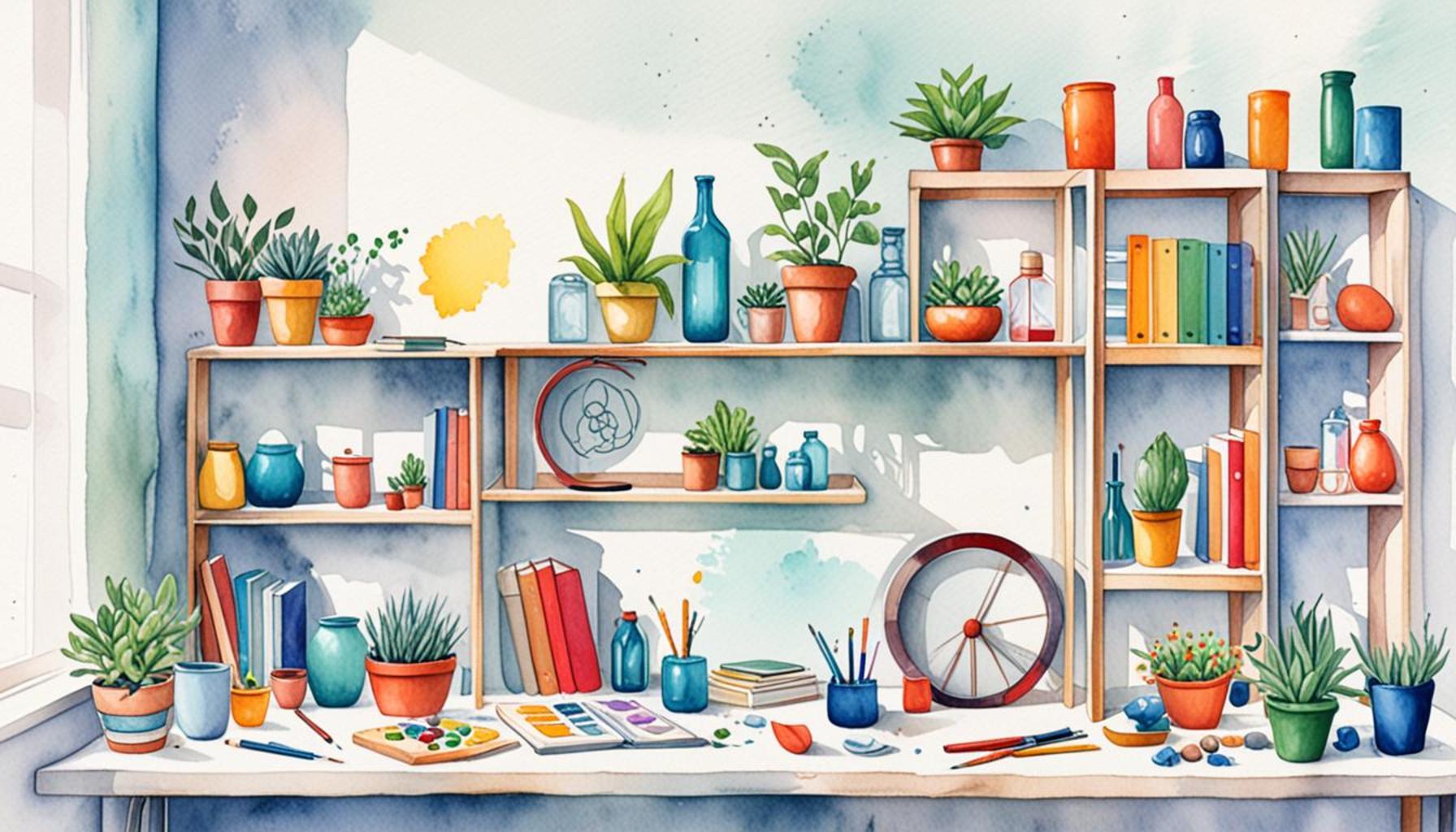
- Maximize Storage: Wall-mounted shelves, floating cabinets, and hanging hooks offer practical storage solutions without encroaching on valuable floor space. For instance, in many Lagos apartments, you might find bookshelves that extend from floor to ceiling, providing ample storage while keeping walking areas clear.
- Enhance Aesthetics: Decorative objects, such as colorful baskets or artistic wall brackets, can contribute to the visual appeal of a room. This approach aligns seamlessly with minimalism, as each piece serves a purpose and adds to the overall design.
- Create Zones: When dealing with open floor plans, consider using bookshelves or decorative screens as partitions. By separating different areas, you enhance both functionality and privacy, which can be particularly useful in shared living environments.
The importance of vertical organization is even more pronounced in Nigeria’s urban centers, where many families find themselves navigating small living quarters. Innovative designs have emerged that not only maximize wall use but also celebrate the nation’s rich cultural heritage. For example, traditional art pieces can be displayed amid practical shelving, creating a fusion of functionality and cultural identity—think of a wall adorned with handcrafted Nigerian pottery positioned above a sleek, modern shelf.
Imagine incorporating vibrant local colors or cultural motifs into your wall designs. This approach transforms vertical surfaces into a unique narrative about personal style while simultaneously maintaining a minimalist aesthetic. Walls, in this context, become more than mere dividers; they evolve into essential aspects of the home’s storytelling.
As we dive deeper into the realm of vertical organization, you will encounter diverse ideas to aid you in crafting a well-structured, minimalist living environment that exudes both spaciousness and warmth. From simple shelving solutions to beautifully curated display areas, the possibilities are truly endless and waiting to be explored.
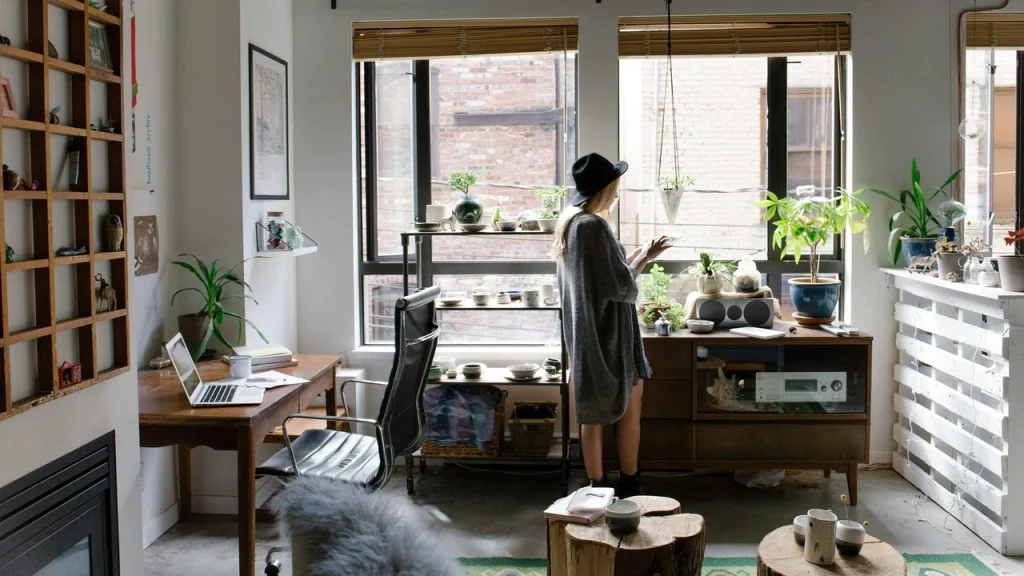
ADDITIONAL INSIGHTS: Expand your understanding here
Transforming Walls into Essential Elements
The quest for a minimalist lifestyle often leads individuals to rethink their daily environments, striving for spaces that reflect clarity and purpose. One of the most effective methods for achieving this is by leveraging the often-overlooked potential of walls. In minimalist environments, where each item should serve a specific function, walls can become indispensable allies in the pursuit of organization and aesthetic harmony.
To understand how vertical organization can be implemented in your space, consider the following essential elements that form the foundation of effective wall utilization:
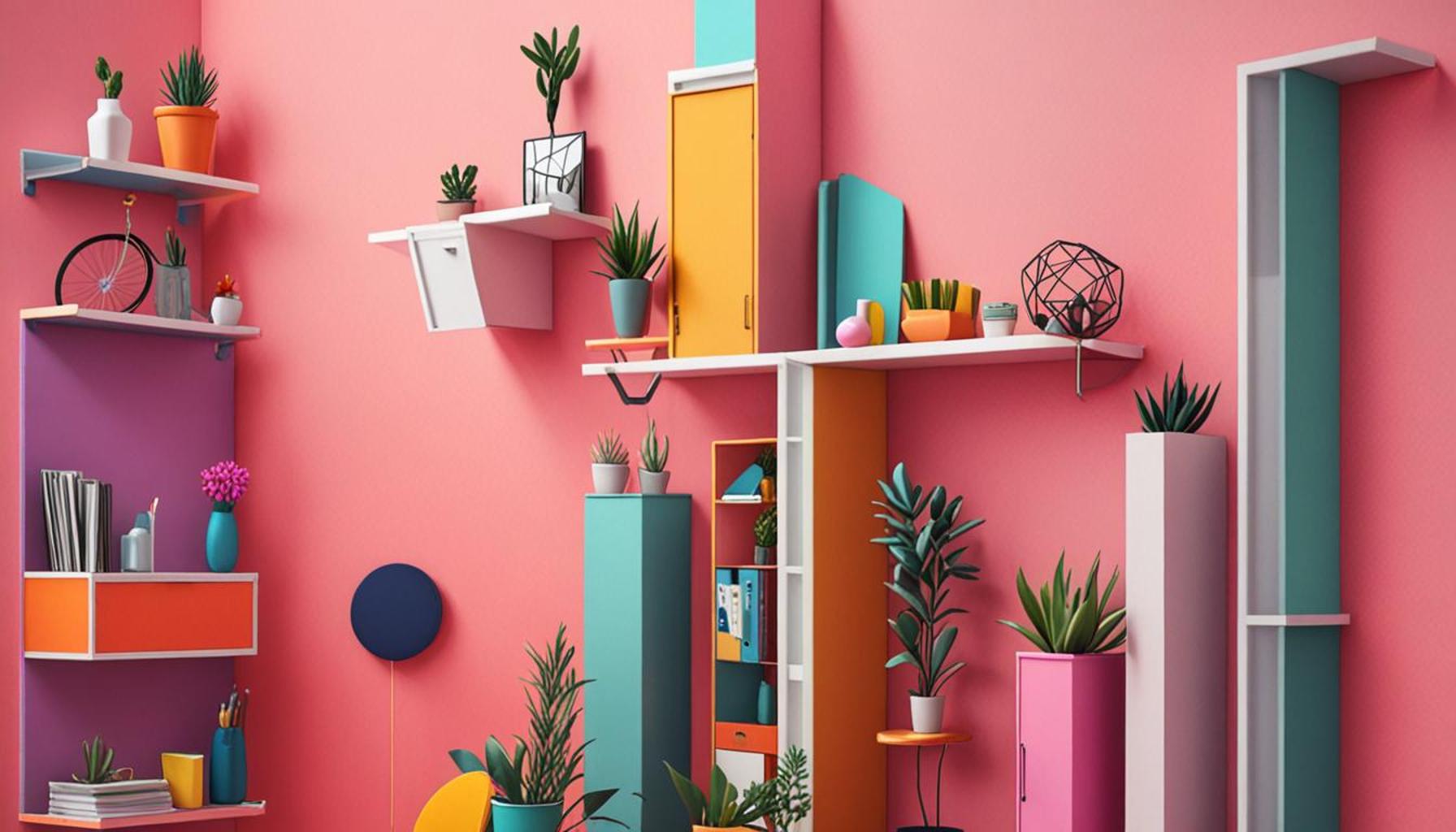
- Storage Solutions: Vertical wall storage, such as shelving units and pegboards, provides a unique opportunity to store and display items without cluttering the floor plan. Customizable wall hooks and magnetic strips are also gaining popularity for organizing kitchen utensils and tools, ensuring that functionality meets style.
- Vertical Gardens: An innovative trend in interior design is the introduction of vertical gardens, which can thrive even in compact spaces. Incorporating plants into your vertical organization not only beautifies your home but also improves indoor air quality, creating a refreshing atmosphere.
- Multi-Functional Furniture: Adaptable furniture that integrates with wall spaces can enhance functionality. A foldable desk attached to a wall or a Murphy bed easily frees up space when not in use, showcasing how walls can serve multiple purposes within a minimalist design.
- Art and Personalization: Walls are a blank canvas for personal expression. Incorporating art, photographs, or culturally significant pieces not only curates a unique space but can also serve as conversation starters. In Nigeria, for instance, exhibiting local art can enrich the environment, grounding your minimalist approach in cultural relevance.
The ability to blend practicality with a touch of local flavor is especially crucial in urban areas of Nigeria, where homes can often feel constricted by available space. Utilizing walls for vertical organization allows homeowners to create functional environments without losing their cultural identity. Imagine a home office where vibrant Nigerian textiles are hung vertically, or a living room adorned with patterned wall shelves that showcase both decorative items and books.
Beyond mere decoration, walls, when thoughtfully designed, can encode functionality deeply into the fabric of a space. When over crowds are diminished by reducing excess items, the integration of unique vertical solutions allows for a more serene and balanced living environment. This practice encourages the idea that less is indeed more, reflecting the core principles of minimalism. As we venture further into the exploration of vertical organization, you will discover innovative methods that not only elevate your space but also promote a layered narrative about your lifestyle and heritage.
In the quest for maximizing functionality within minimalist environments, vertical organization emerges as a crucial strategy, effectively transforming walls into multifaceted asset areas. By leveraging vertical space, you can create organizational systems that optimize both aesthetics and space efficiency. To effectively harness the power of vertical organization, consider integrating shelves and wall-mounted units. These elements not only keep clutter at bay but also showcase decorative items, thereby adding personal flair to your setting. Floating shelves, for instance, are particularly popular in minimalist designs where a clean and unencumbered look is essential. They create the illusion of more space while providing ample storage opportunities.Another innovative approach is to utilize pegboards or grid panels. These versatile surfaces can support a range of items from tools to kitchen utensils, offering a visually interesting decorative element while maintaining an organized structure. By incorporating such designs, you encourage a sense of wellness and efficiency within your space, reducing stress associated with untidiness.Additionally, consider vertical planters, which not only enhance your indoor environment but also contribute to better air quality. Arranging plants vertically can save precious floor space while creating a calming ambiance, essential in minimalist designs where every choice counts toward a larger cohesive aesthetic.Furthermore, making use of multifunctional furniture that includes vertical storage solutions can significantly improve the usability of minimalist spaces. For example, a tall bookshelf that doubles as a room divider can create distinct areas while ensuring that essentials are always within easy reach. Incorporating vertical organization into your minimalist space is not merely about aesthetics; it’s about crafting an environment tailored to your lifestyle. By maximizing vertical spaces, you gain not only functional benefits but also an opportunity to express your unique design sensibility. Ultimately, mastering vertical organization can transform how you interact with your home, making it a more enjoyable and efficient haven. As you explore these options, ask yourself how each element can serve dual purposes, combining utility with beauty. The path to achieving a harmonious minimalist environment indeed lies in the art of vertical organization.
LEARN MORE: This related article may interest you
Maximizing Functionality Through Vertical Space
In the realm of minimalist design, the efficient use of vertical space can significantly enhance functionality while maintaining an uncluttered aesthetic. Integrating additional features into wall-mounted solutions can transform your living environment, making it truly work for you.
- Wall-mounted Desks and Workstations: As remote work continues to redefine the workplace, the need for functional home office solutions becomes increasingly important. A wall-mounted desk can provide a dedicated workspace without consuming precious floor space. In Nigerian urban settings, where square footage is often at a premium, these wall desks can be fitted with shelving above to store documents, decorative items, or even traditional baskets that resonate with cultural heritage, merging practicality with personal expression.
- Vertical Filing Systems: For those looking to maintain an organized workspace, consider wall-mounted filing solutions. These systems can house important documents while preserving floor space. Modern designs can feature stylish boxes or holders that blend seamlessly with your existing decor, promoting a clean and efficient workspace. In addition, using brightly colored file holders can infuse a sense of vibrancy, reflecting Nigeria’s rich culture.
- Expandable Wall Features: Embrace the idea of adaptability by incorporating expandable or foldable wall features. These can range from retractable dining tables to expandable shelving units. The versatile nature of such designs allows homeowners to easily transition their space from functional to entertaining in moments. This is especially advantageous in Nigerian homes where gatherings are a regular occurrence, allowing space to adapt while maintaining functionality.
- Creative Use of Color and Materials: The use of color and material on walls can contribute significantly to the overall feel of your minimalist space. In Nigerian interiors, incorporating local materials, such as handcrafted wood or bamboo, can add warmth and depth while still adhering to minimalism’s principles. Similarly, using paint or wallpaper can define spaces and create a sense of continuity without overcrowding. Experimenting with natural hues or traditional motifs can enhance the cultural narrative of the home while remaining practical.
Furthermore, it is crucial to consider how the vertical elements in your home influence light and airflow. Opting for open shelves instead of closed cabinetry allows light to penetrate deeper into the space while providing a hint of openness. This is particularly important in Nigeria, where natural light can enhance warmth and create a welcoming atmosphere in homes.
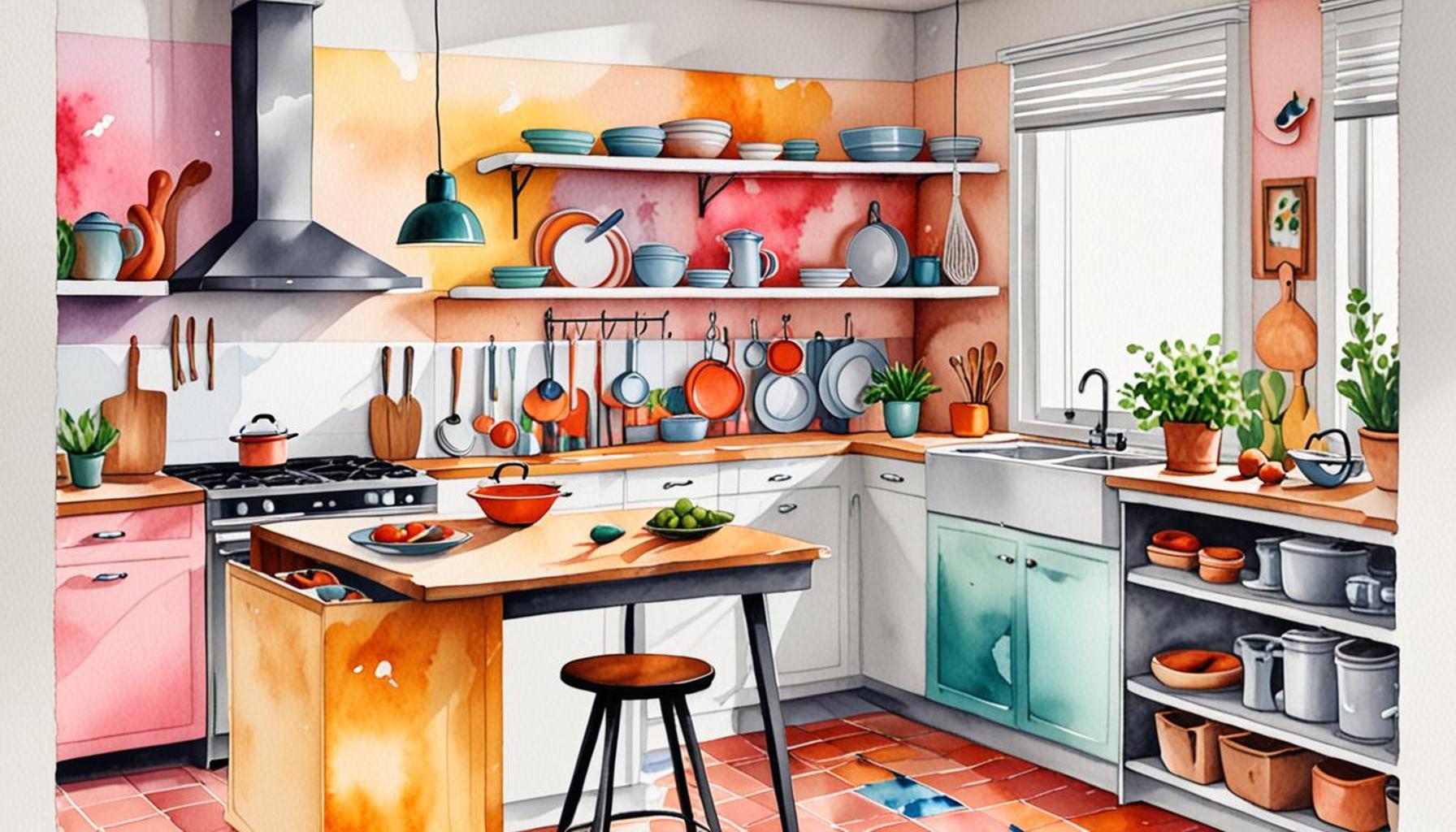
Moreover, households should not underestimate the potential of vertical wall storage solutions in the kitchen. From vertical spice racks to hanging pots and pans, these adaptations not only save cabinet space but also allow for easy access while cooking. Investing in aesthetically pleasing containers and holders can further elevate your kitchen design, turning simple functional pieces into attractive focal points. In many Nigerian kitchens, incorporating local traditional serving dishes or cookware can reflect a sense of heritage while optimizing vertical storage.
As you delve deeper into vertical organization, it becomes clear that walls represent more than mere boundaries; they are potential canvases for innovation and creativity. By exploring these ideas, you can uncover a multitude of ways to enhance your home while embodying the principles of minimalism. Each solution stands as a testament to how walls can seamlessly blend form with function in a thoughtfully designed space.
RECOMMENDED: Check out this similar article
Conclusion: Reimagining Spaces with Vertical Organization
In an age where space is often limited, particularly in urban areas of Nigeria, the concept of vertical organization emerges as a vital solution for creating functional yet minimalist environments. By strategically utilizing walls, homeowners can not only maximize space but also infuse their personal style into their living areas. The integration of wall-mounted desks, vertical filing systems, and expandable features exemplifies how creativity can redefine functionality, allowing for adaptability in ever-changing home dynamics.
The importance of aesthetics in conjunction with practicality cannot be overstated. Innovations such as colorful, wall-mounted storage solutions can enhance visual interest while ensuring that your space remains uncluttered. Furthermore, the thoughtful selection of materials that reflect Nigeria’s rich cultural heritage, such as handcrafted wood or locally sourced bamboo, adds warmth and character to minimalist designs, creating an inviting atmosphere.
As we explore these endless possibilities, it becomes evident that walls are not mere boundaries; they serve as essential components of our living spaces that can inspire innovation and function. Encouraging a shift in perspective towards how we use vertical space could lead us towards a more organized, productive, and aesthetically pleasing home environment. Ultimately, embracing vertical organization can enhance our quality of life while staying true to the principles of minimalism, allowing us to live harmoniously in our surroundings.