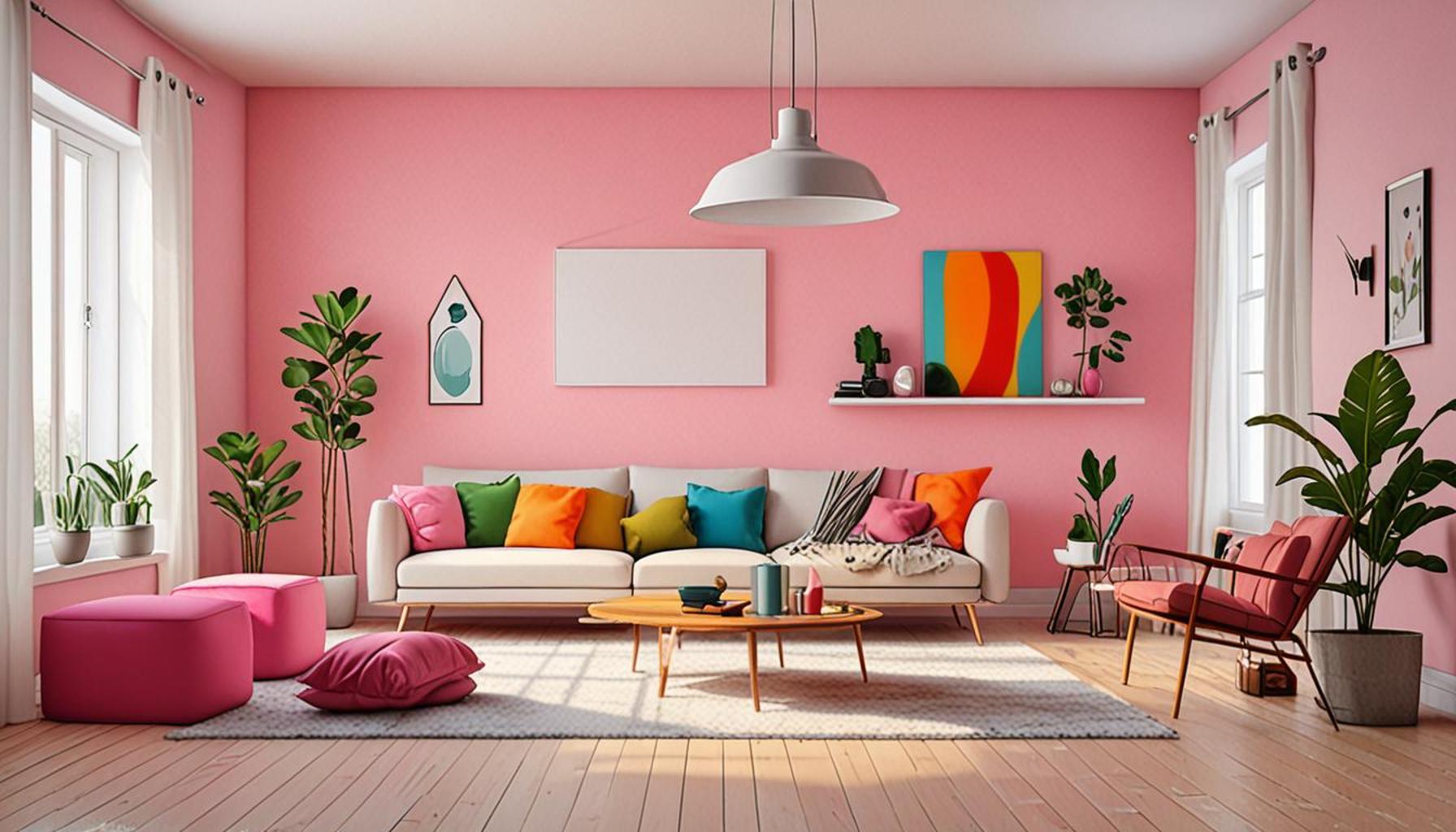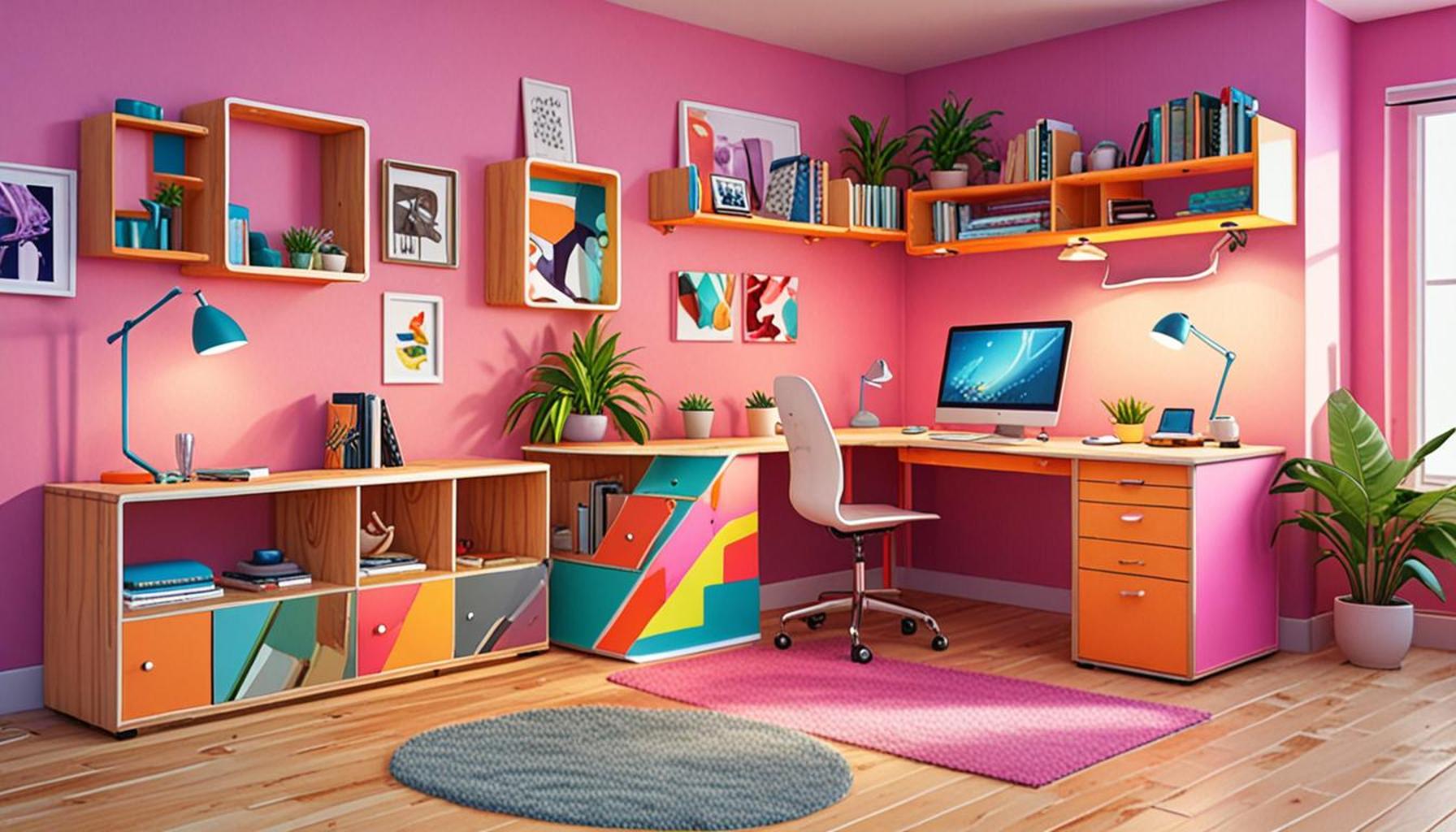
Transforming Spaces with Smart Furniture: Minimalist Solutions for Better Workflows
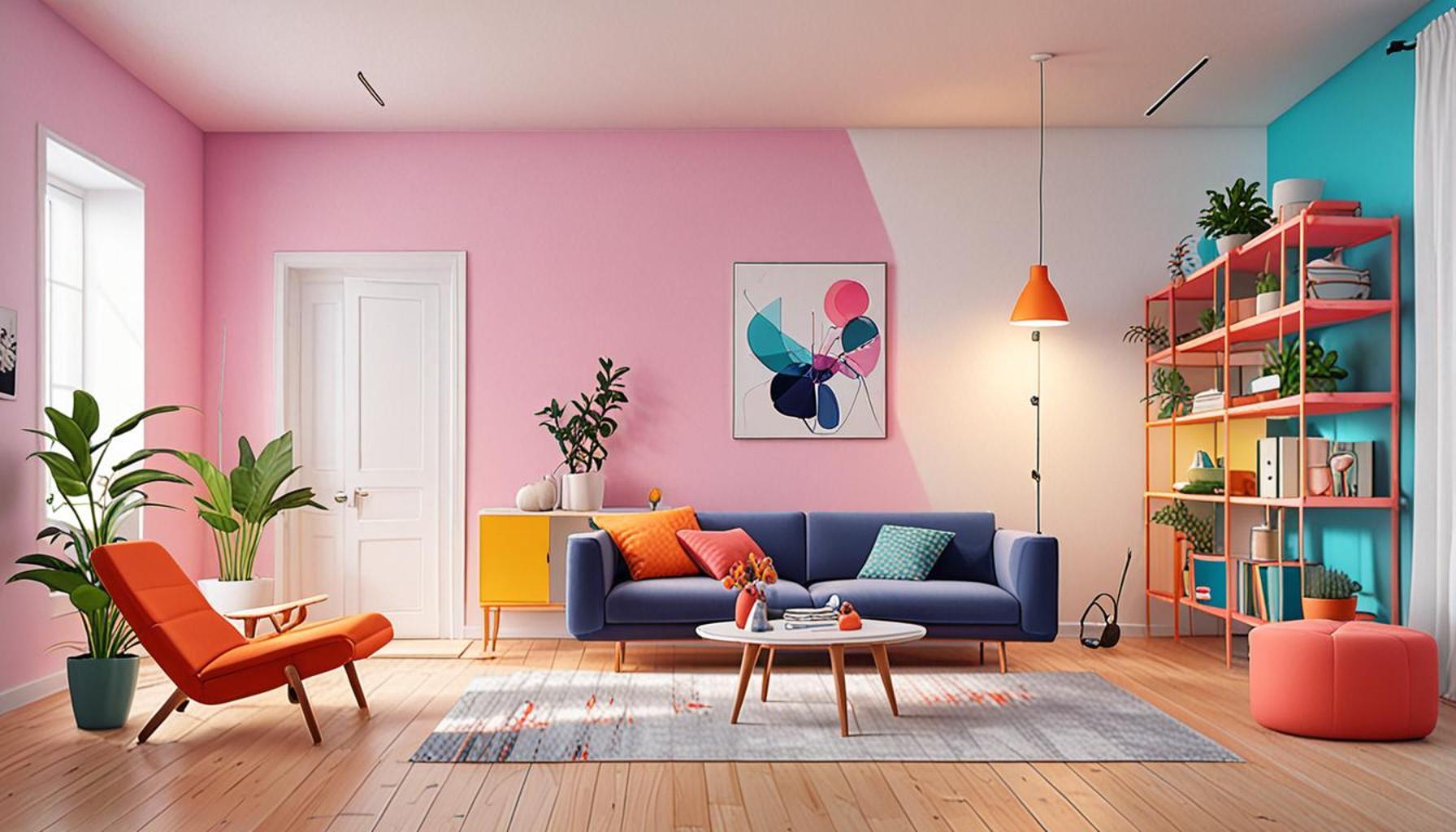
Revolutionizing Workspaces
In a world where efficiency and organization dictate success, the evolution of smart furniture is changing the way we approach our work environments. Rather than cluttered desks and bulky configurations, innovative solutions are emerging that enhance workflows while promoting a sense of calm. This transformation is not only imperative in multinational corporations but also resonates deeply within local Nigerian settings, where a burgeoning entrepreneurial spirit is on the rise.
Why Minimalism Matters
Minimalist design isn’t just an aesthetic choice; it’s a powerful tool for increasing productivity. Here are some reasons why:
- Reduced Distractions: Clean lines and fewer items encourage focus. A stark desk devoid of unnecessary items can help keep the mind on tasks. For instance, in a bustling Lagos office, a minimal setup can notably reduce the mental clutter caused by surplus decorations or equipment.
- Adaptability: Furniture that can change function as needed caters to dynamic work styles. Consider multifunctional chairs that can transform from standard seating to a standing option, benefiting health-conscious professionals who may need to switch positions frequently throughout the day.
- Space Optimization: Efficient use of space allows for smoother movement and increased accessibility. In densely populated cities like Abuja, where office space is at a premium, utilizing every square meter of a workspace effectively can mean the difference between inspiration and frustration.
The Role of Smart Furniture
Smart furniture brings technology into play, integrating features that are not only functional but also innovative. Consider these examples:
- Adjustable Desks: Promote better posture and health. These desks not only cater to various work styles but also encourage employees to stay active, reducing the fatigue that comes from long hours of sitting.
- Smart Storage Systems: Maximize organization without sacrificing style. For Nigerian businesses looking for sleek yet practical storage solutions, smart cabinets with integrated organizational tools can declutter both physical space and mental bandwidth.
- Integrated Charging Stations: Keep devices powered, minimizing downtime. With the increasing reliance on technology, having dedicated charging solutions embedded in furniture ensures that productivity is not interrupted by a dead battery.
As we explore the impact of transforming spaces with these solutions, it’s essential to recognize how they resonate within the Nigerian context. The adoption of minimalist approaches not only elevates individual productivity but also enhances collaborative efforts in shared spaces, fostering a culture of innovation. Moreover, as young professionals and startups thrive, investing in smart furniture can be a decisive factor in attracting and retaining top talent. In a rapidly changing economic landscape, creating work environments that promote well-being, efficiency, and creativity could very well be the competitive edge that defines success in the new age of business in Nigeria. Through thoughtful design and an appreciation for simplicity, workplaces can evolve into sanctuaries that inspire greatness.
LEARN MORE: This related article may interest you
Innovative Adaptations for Modern Workplaces
The integration of smart furniture into workspaces is more than just a trend; it represents a fundamental shift in how we view our environments. As Nigeria experiences a surge in entrepreneurship and a diverse workforce, the need for solutions that improve efficiency while maintaining an inviting atmosphere is paramount. Understanding how to strategically transform spaces can yield substantial benefits for organizations and individuals alike.
Streamlined Work Processes
Smart furniture enhances workflows by seamlessly allowing users to tailor their environments to their unique needs. For instance, incorporating minimalistic, technology-enhanced pieces can lead to significant improvements in productivity:
- Collaborative Spaces: With the growing emphasis on teamwork, smart furniture enables the creation of versatile meeting areas. Desks that can be easily reconfigured for group activities encourage spontaneous brainstorming sessions and quick adjustments to team sizes, ideal for dynamic projects.
- Acoustic Panels and Smart Dividers: In open office spaces common in Nigerian startups, noise can often be a major distraction. Innovative smart furniture pieces like sound-absorbing panels can redefine workspaces, creating pockets of peace for focused tasks while enhancing aesthetic appeal.
- Ergonomic Solutions: Height-adjustable desks provided by smart solutions not only offer customization on-the-go but also significantly promote comfort. Evidence shows that ergonomic furniture encourages better posture and reduces strain, which is essential given the long hours many professionals dedicate to their tasks.
Bridging Technology and Design
A truly transformative workspace merges technology with elegant design, thereby making everyday tasks more manageable. Nigeria is adopting these innovations at an impressive rate, creating a unique cultural blend in office design. Smart furniture solutions available on the market come equipped with features that address the common challenges faced in local and international settings:
- Integrated Technology: For busy professionals who rely heavily on various devices, desks with built-in charging ports and connectivity options are game-changers. This convenience minimizes the chaos of trailing wires, ensuring that technology enhances rather than disrupts workflows.
- Smart Task Lighting: Lighting has a direct effect on employee productivity and well-being. Implementing smart lighting solutions that adjust according to the time of day or the amount of natural light can help maintain energy levels while reducing eye strain.
- Customizable Color Schemes: Such furniture often allows for personalization that harmonizes with an employee’s personal style or corporate branding. This can enhance the sense of ownership and pride in the workspace, motivating individuals to perform at their best.
Incorporating these minimalist solutions into Nigeria’s diverse work environments not only instills a sense of clarity and focus but also aligns with a broader narrative of sustainable and adaptable design. As organizations continue to recognize the value of investing in smart furniture, they are not just furnishing their offices; they are intentionally designing spaces that elevate performance, drive engagement, and foster innovation. In a competitive landscape, where every detail matters, transforming workspaces with smart furniture could very well be the strategic advantage businesses need to thrive.
| Advantages | Impacts on Workflow |
|---|---|
| Space Optimization | Smart furniture such as modular desks and adjustable shelving ensure every inch is utilized for productivity. |
| Enhanced Focus | Minimalist designs reduce visual clutter, allowing users to concentrate better on their tasks. |
| Adaptability | Smart furniture can be reconfigured for various tasks, catering to the dynamic nature of modern work environments. |
| Technological Integration | Many pieces come equipped with built-in tech, facilitating seamless connectivity and productivity enhancement. |
The emergence of smart furniture is revolutionizing workspace design, fostering a minimalist approach that not only aligns with aesthetic preferences but also significantly boosts efficiency. As many professionals transition to remote or hybrid work models, the demand for adaptable and multifunctional furniture has surged. Solutions such as height-adjustable desks and modular seating empower users to create personalized environments that enhance their workflows. By reducing distractions and improving ergonomics, smart furniture facilitates a more focused and productive work atmosphere. As companies and individuals alike seek to optimize their spaces, the integration of technology into furniture design will undoubtedly play a pivotal role in shaping the future of work.
YOU MAY ALSO LIKE: Read read another article
Embracing Sustainability through Smart Furniture
The synergy of sustainable practices and technology is essential for Nigerian businesses seeking a competitive edge. Smart furniture, designed with eco-friendly materials and multifunctional features, aligns with the ongoing global push for environmental responsibility. By investing in pieces that offer both utility and sustainability, organizations can create efficient workflows without compromising their commitment to the planet.
Eco-Innovation in Office Design
With a growing awareness of climate change, Nigerian offices can leverage smart furniture to promote sustainability. Integrating eco-conscious features into workplace design not only attracts conscious consumers but also supports a healthier work environment:
- Sustainable Materials: Furniture crafted from recycled or responsibly sourced materials reduces the carbon footprint and makes a statement about a company’s values. Companies like ORGANIC FURNITURE have started producing biodegradable office furnishings, achieving both functionality and a minimal environmental impact.
- Lifecycle Management: Smart furniture often comes with considerations for its full lifecycle. Many products are designed for easy disassembly, enabling parts to be reused or recycled, thus minimizing waste—a concern that resonates with the Nigerian market, where waste management is becoming increasingly critical.
- Energy Efficiency: Innovations in smart furniture frequently encompass energy-efficient technology, such as solar-powered desks that harness natural light. This not only cuts down on electricity costs but also empowers employees to engage more deeply with sustainable practices in their daily routines.
Enhancing Well-being through Thoughtful Design
Smart furniture doesn’t solely focus on productivity; it also prioritizes employee well-being—an increasingly vital consideration in today’s workspace. Nigerian professionals are acknowledging the importance of mental health and ergonomics in their work environments. Here’s how:
- Biophilic Design Elements: Incorporating elements that connect employees with nature—through smart furniture that brings live plants into the workspace—has shown to improve mood and decrease stress. Simple additions, such as vertical gardens integrated with shelving units, allow for a healthier workspace.
- Adaptive Workspaces: Flexibility in furniture arrangements facilitates diverse working styles, accommodating both collaborative group work and focused individual tasks. This versatility promotes mental health by breaking the monotony of fixed setups and supporting a dynamic work culture.
- Virtual Reality Relaxation Zones: As part of the push towards holistic well-being, some smart furniture solutions offer integrated VR systems that promote relaxation. Spaces equipped with comfortable smart lounges allow employees to step away and recharge mentally mid-workday—a transformative approach that could help combat flight risk in high-demand sectors.
The long-term benefits of adopting this intelligent, minimalist approach are clear. By choosing smart furniture options that are both functional and aesthetically pleasing, Nigerians can redefine their professional environments, fostering stronger collaboration, improved mental well-being, and sustainable practices. As businesses continue to navigate the complexities of modern work culture, investing in smart furniture is becoming an essential strategy for success, reflecting a growing understanding of the interdependence of space, technology, and employee well-being.
CHECK OUT: Click here to explore more
Conclusion: The Future of Workspaces with Smart Furniture
In an era where adaptability and efficiency are paramount, the integration of smart furniture in Nigerian workspaces is redefining the fundamental dynamics of productivity and well-being. As companies embark on this journey towards transformation, the minimalist solutions offered by smart furniture allow organizations to streamline their workflows while enhancing employee satisfaction. By making thoughtful choices about office design, businesses can create environments that are not only aesthetically pleasing but also functionally enriched to meet the diverse needs of today’s workforce.
Moreover, the commitment to sustainability through eco-friendly materials and innovative lifecycle management practices reflects a forward-thinking ethos that resonates well with both employees and clients. This alignment with environmental concerns helps companies build a positive brand image while contributing to the global sustainability movement. As Nigeria continues to evolve in its economic landscape, the prevalence of smart furniture signifies a proactive approach to creating conducive work environments that prioritize well-being and productivity.
In conclusion, as organizations explore the vast potential of smart furniture, they will not only enhance their operational effectiveness but also cultivate a culture that champions wellness and innovation. Elevating office furniture beyond mere practicality to a holistic tool for engagement is the key to thriving in competitive industries. As businesses invest in transforming their spaces, the intersection of technology, design, and environmental consciousness will ultimately pave the way for more vibrant, human-centered workplaces. This evolution beckons a new standard for the future of work in Nigeria, one where collaboration and sustainability flourish hand in hand.