Modular Furniture: The Key to Spatial Efficiency in Minimalist Environments
The Rise of Modular Furniture in Urban Living
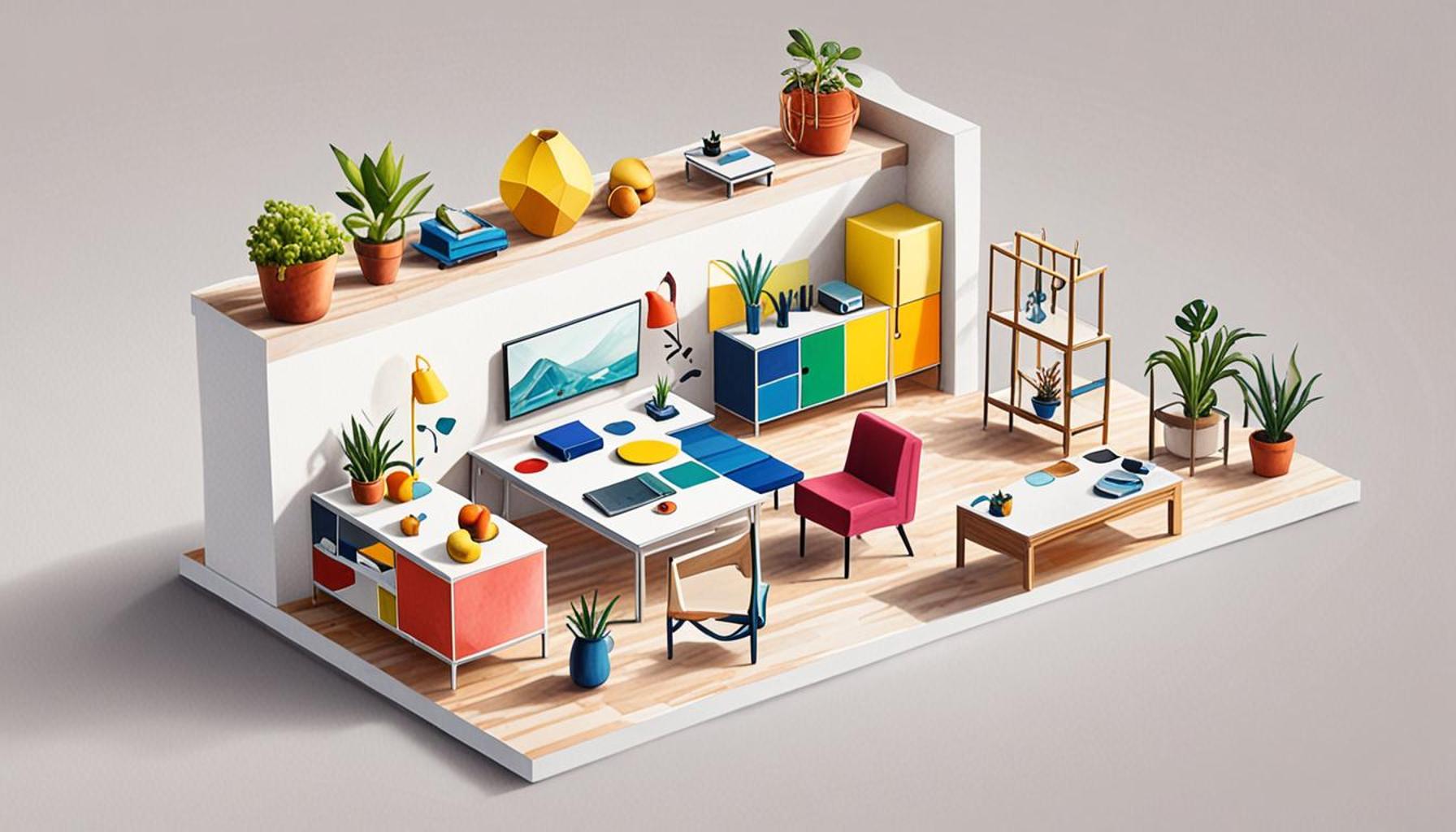
As the world rapidly gravitates toward urbanization, the challenge of accommodating a growing population in limited spaces has become more pronounced. This reality is particularly evident in Nigeria’s bustling cities such as Lagos and Abuja, where living spaces are often constrained yet possess immense potential for stylish, efficient designs. In this context, modular furniture emerges as an innovative solution that champions both aesthetic appeal and functional versatility.
The Benefits of Modular Furniture
Modular furniture stands out primarily due to its adaptability. In Nigeria, where homes may have multiple functions—serving as living rooms by day and entertainment spaces by night—modular designs allow for seamless transitions. For instance, a sectional sofa can be rearranged to accommodate guests or transformed into separate seating areas for different activities, such as working or socializing.
Additionally, the space-saving features of modular furniture cannot be overstated. In a typical Nigerian household, every square inch counts. Items like coffee tables that double as storage units can provide much-needed organization while remaining stylish. Moreover, beds that incorporate shelves or compact sofas that fold into wall spaces showcase ingenious ways to maximize limited areas without sacrificing comfort. For example, modern designs available in the local market can include sofa beds that are easily converted by simply pulling out the mattress, catering to both space and heightened functionality.
Another significant aspect is the customizability that modular furniture offers. Consumers have the ability to select pieces that resonate with their personal style. From vibrant upholstery choices to functional shelving units that can be combined depending on their layout, individuals can create a living environment that reflects both their personality and their lifestyle needs. Nigerian artisans and contemporary designers are beginning to harness local materials and traditional craftsmanship to offer unique items that tell a story, adding a layer of authenticity and connection to one’s living space.
Embracing a Minimalist Lifestyle
As urban dwellers increasingly gravitate towards a minimalist lifestyle, which emphasizes decluttering and simplification, modular furniture perfectly aligns with this ethos. It encourages individuals to prioritize quality over quantity, focusing on versatile pieces that transform their environment. The trend reflects a shift in cultural values, where the emphasis is on experiences rather than possessions.
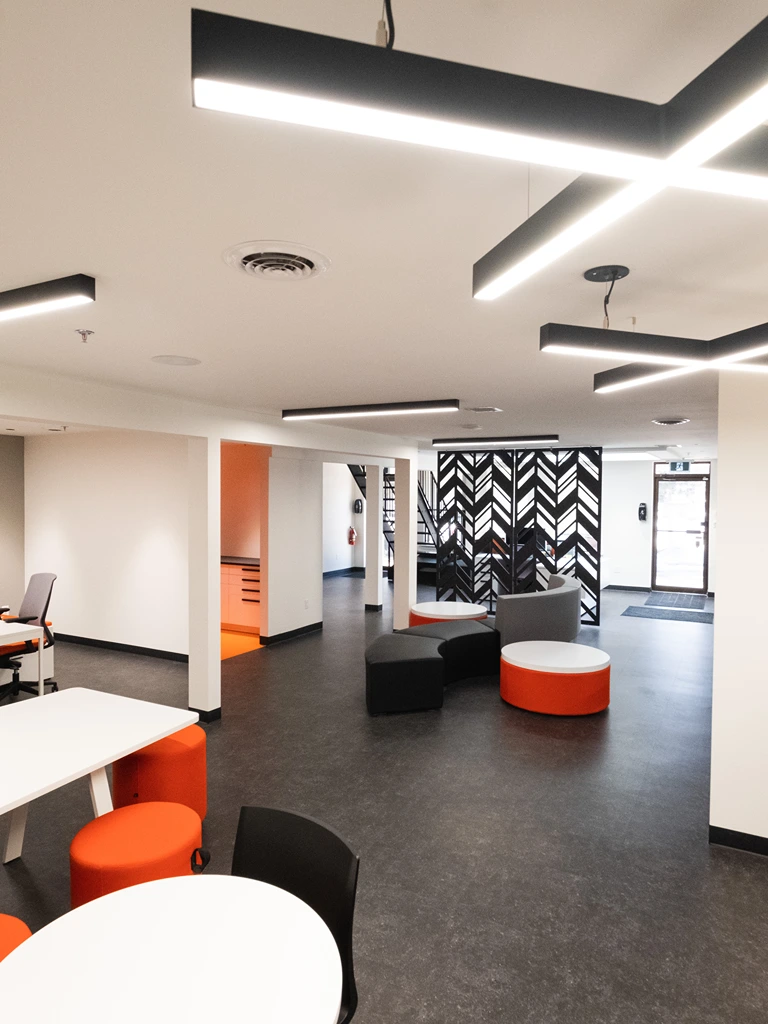
In conclusion, the demand for modular furniture in Nigeria is more than just a passing fad; it is a response to shifting lifestyles and spatial demands. The combination of adaptability, space-saving design, and customizability positions modular furniture as a critical component in creating efficient and aesthetically pleasing homes. As more residents explore these ingenious designs, they are likely to discover that transforming their living spaces can lead to not only enhanced functionality but also a greater sense of tranquility and style within their urban environments.
CHECK OUT: Click here to explore more
Revolutionizing Living Spaces with Modular Designs
The intersection of style and function is where modular furniture truly excels, proving to be a transformative choice for many Nigerians navigating the challenges of urban living. As one explores options in the market, it is evident that modular pieces are addressing the specific needs of the local population while remaining at the forefront of modern design.
One of the principal reasons why modular furniture has gained traction in Nigeria is its cost-effectiveness. For urban residents grappling with rising living expenses, affordable yet stylish options are essential. Modular furniture allows individuals to invest in fewer pieces that can be adapted over time rather than committing to a full set of traditional furniture. For instance, instead of purchasing a standalone dining set and a separate sofa, consumers can find options that blend seamlessly, such as dining tables with built-in storage that double as workspace, offering functionality without overwhelming limited space.
Practicality Meets Aesthetic Appeal
Moreover, modular furniture often features designs that are chic and contemporary, harmonizing effortlessly with the vibrant aesthetic of many Nigerian homes. This is particularly crucial as families seek to express their unique style, while still accommodating the diverse needs of their households. The ability to mix and match different units fosters creativity, allowing for personalized configurations that resonate with one’s tastes. Bench seating that can turn into a bookshelf or modular outdoor furniture that transforms a balcony into a cozy lounge are just a few examples of how functionality and style merge seamlessly.
In addition to cost and aesthetics, modular furniture offers unmatched easy transportation and reconfiguration. In bustling cities like Lagos, residents may relocate or redesign their spaces frequently. Modular pieces make this transition smooth as they can easily be disassembled and reassembled in new settings. This portability is particularly advantageous for young professionals or students moving to different apartments or cities as it alleviates the headache of moving large, cumbersome furniture.
Environmental Considerations and Sustainable Living
Another appealing aspect of modular furniture in Nigeria is its potential contribution to sustainable living. With the growing awareness of environmental issues, many consumers are opting for furniture that is eco-friendly. Modular designs often use sustainable materials and allow for a longer lifespan, as they can be adapted rather than discarded when tastes change or new living arrangements arise. This approach not only conserves resources but also aligns with the minimalist philosophy of valuing quality over quantity.
As more residents explore the possibilities inherent in modular furniture, it is essential to recognize its multifaceted advantages that directly respond to the urban lifestyle’s demands. The functionality, style, and sustainability offered by modular designs make them not just a practical choice but a vital component in forging efficient, inviting, and personalized living environments. Ultimately, as urban living evolves, so too will the ways in which we furnish our homes, leading to the enduring popularity of modular solutions.
| Category | Features & Benefits |
|---|---|
| Adaptability | Modular furniture can be easily rearranged to fit various layouts and changing needs, offering unparalleled flexibility for small spaces. |
| Space Optimization | With features like built-in storage and transformable pieces, modular systems maximize usable space, creating a more functional environment in minimalist homes. |
In the realm of modern living, where space comes at a premium, modular furniture emerges as the ideal solution for achieving spatial efficiency. This innovative approach not only caters to aesthetic preferences but also directly supports the principles of minimalism. By employing versatile and multifunctional pieces, one can create an inviting and organized atmosphere without clutter. Additionally, the ease of transition between configurations allows for a dynamic living space that can evolve with your lifestyle, whether that includes accommodating guests or repurposing areas for different activities. Moreover, the integration of elements that promote organization, such as shelves that double as partitions, contributes to a tidy environment while showcasing personal style. Understanding these advantages can inspire readers to enhance their living spaces with purposeful designs that align perfectly with their minimalist aspirations.
CHECK OUT: Click here to explore more
Customizable Solutions for Diverse Needs
In urban settings like Abuja and Lagos, where space is often at a premium, modular furniture offers customizable solutions that cater to a diverse range of lifestyles. Individuals and families have varying needs, whether it’s creating a play area for children or establishing a home office in a compact apartment. The adaptability of modular furniture means that it can be tailored to fit unique requirements, allowing homeowners to change layouts and functionalities effortlessly as their living situations evolve.
The versatility of modular units can also accommodate the needs of multi-generational households. For example, a living room can be rearranged to provide both a comfortable space for entertaining guests and a cozy nook for family members to relax. However, this flexibility is not just limited to functionality; it extends to sizes and shapes, allowing homeowners to choose pieces that best fit their personal space layout. This tailored approach emphasizes the principle of spatial efficiency, ensuring every inch of the home is utilized to its fullest potential.
Create a Sense of Community
Beyond the individual benefits, modular furniture has the potential to cultivate a sense of community. In neighborhoods where homes may be smaller, shared spaces are often integral for socializing. Modular designs can easily transition from private to communal settings. For instance, modular seating arrangements can be configured into an intimate gathering of friends or expanded to accommodate larger groups during celebrations. This not only maximizes the utility of the space but also fosters stronger relationships among residents.
Furthermore, the modular approach encourages collaboration within household settings. Family members can participate in designing their spaces, allowing for a collective influence on aesthetics and functionality. This approach fosters a stronger connection between individuals and their living environment and promotes shared responsibility in maintaining and rearranging common areas.
Market Trends and Innovations
The rise of modular furniture is also reflected in the growing market trends and innovations being introduced by local and international designers. A multitude of Nigerian brands are now focusing on producing high-quality modular pieces that resonate with cultural identity while offering modern appeal. From vibrant furniture that reflects the rich tapestry of Nigerian culture to minimalistic designs that embody contemporary elegance, the market showcases a variety of options that cater to different tastes and preferences.
Moreover, innovation in technology is enabling enhanced modularity. With some manufacturers incorporating smart technology into their designs, modular furniture can now include features such as automated adjustments and smart storage solutions. For instance, tables that can expand with the push of a button, or couches that rearrange with simple mechanics, are becoming increasingly popular, merging style and convenience seamlessly.
This evolving landscape not only caters to the practical needs of urban dwellers but also addresses aesthetic preferences that appeal to the modern Nigerian consumer. The combination of culturally relevant designs with technological advancements signifies a shift toward a more integrated approach to furnishing homes, making modular furniture an essential component in achieving spatial efficiency within minimalist environments.
LEARN MORE: This related article may interest you
Redefining Spaces for Modern Living
As urban living becomes increasingly synonymous with limited space, modular furniture stands out as a revolutionary solution that champions spatial efficiency while catering to diverse lifestyle needs. This multifunctional approach allows homeowners in rapidly growing Nigerian cities like Lagos and Abuja to maximize their living spaces without sacrificing comfort or style. By embracing the flexibility of modular designs, residents can easily adapt their interiors to reflect changing dynamics, fostering a seamless transition between work, leisure, and social interactions.
The rise of local innovations in modular furniture, coupled with technological advancements, signifies a promising future for home furnishing in Nigeria. The integration of smart solutions enhances the intuitive nature of these designs, making it easier for residents to create their ideal environments. Furthermore, the emphasis on community and collaboration within modular spaces promotes stronger connections among families and neighbors, enriching the living experience in densely populated areas.
Ultimately, modular furniture transcends its aesthetic appeal; it serves as a catalyst for redefining how we live and interact in minimalist environments. By adopting these versatile solutions, homeowners are not merely optimizing their spaces, but are also participating in a cultural shift towards sustainability, innovation, and meaningful living. As the demand for customized, smart designs continues to grow, modular furniture will undeniably remain at the forefront of creating functional, stylish, and harmonious spaces in Nigeria and beyond.