
Maximize Small Spaces Minimalist Organization Tips for Tiny Homes
Introduction
In today’s fast-paced world, the allure of minimalism is more pronounced than ever, especially for individuals inhabiting small spaces. This lifestyle revolves around the concept of intentional living, where reducing clutter and excess allows individuals to focus on what truly matters. By designing a space with simplicity in mind, it becomes possible to find freedom and creativity within constraints.
For many, managing the functionality and aesthetics of small spaces is a formidable task. Yet, with clever organization techniques, these environments can become both highly efficient and visually appealing. Embracing minimalism is not merely about discarding belongings; it’s an intelligent way of enhancing daily life by prioritizing quality over quantity and fostering a serene living environment.
As we delve into the Top 5 tips for organizing small spaces, you will discover strategies aimed at transforming your home into a streamlined sanctuary. These insights will guide you toward creating minimalistic yet cozy spaces, promoting not only an inviting atmosphere but also greater tranquility. Stay tuned to uncover how simplicity can revolutionize your living experience.
Understanding Minimalism
Minimalism is more than a design trend; it’s a profound lifestyle choice that encourages individuals to live with intention. By prioritizing essential items and eliminating distractions, minimalism fosters environments that are both functional and peaceful. This way, homes become reflections of mindful living, where every item has a purpose and contributes to a harmonious whole. Whether it’s through furniture that doubles as storage or choosing a neutral color palette, the minimalistic approach ensures that space is utilized with maximum efficiency.
Maximizing Small Spaces: Organization Tips for Minimalist Environments
In today’s fast-paced world, living with less has evolved beyond a fleeting trend; it has become a deliberate lifestyle choice for countless individuals. The allure of minimalism lies in its capacity to offer clarity, reduce stress, and create serene living environments. However, when faced with the challenge of optimizing small spaces, effective organization techniques become indispensable. Below, we delve into our top five strategies that will help you master your compact sanctuary while fully embracing the minimalist philosophy.
Embrace Multi-Functional Furniture
At the heart of efficient space use is the concept of multi-functional furniture. These clever pieces serve multiple purposes, which is key to utilizing every inch of your living area. For example, a sofa bed not only provides comfortable seating during the day but also transforms into a cozy sleeping arrangement at night. An extendable dining table can accommodate dinner for family members or expand to host guests for special occasions. Consider an ottoman that offers extra seating while also concealing storage space for blankets or books.
The versatility of these types of furniture is twofold: they not only save space but also significantly reduce clutter. A well-chosen piece should fulfill more than one role, maximizing utility in limited square footage. This is particularly advantageous in urban settings where every inch counts. The goal is to make your furniture work for you by seamlessly integrating function and form.
Use Vertical Space Wisely
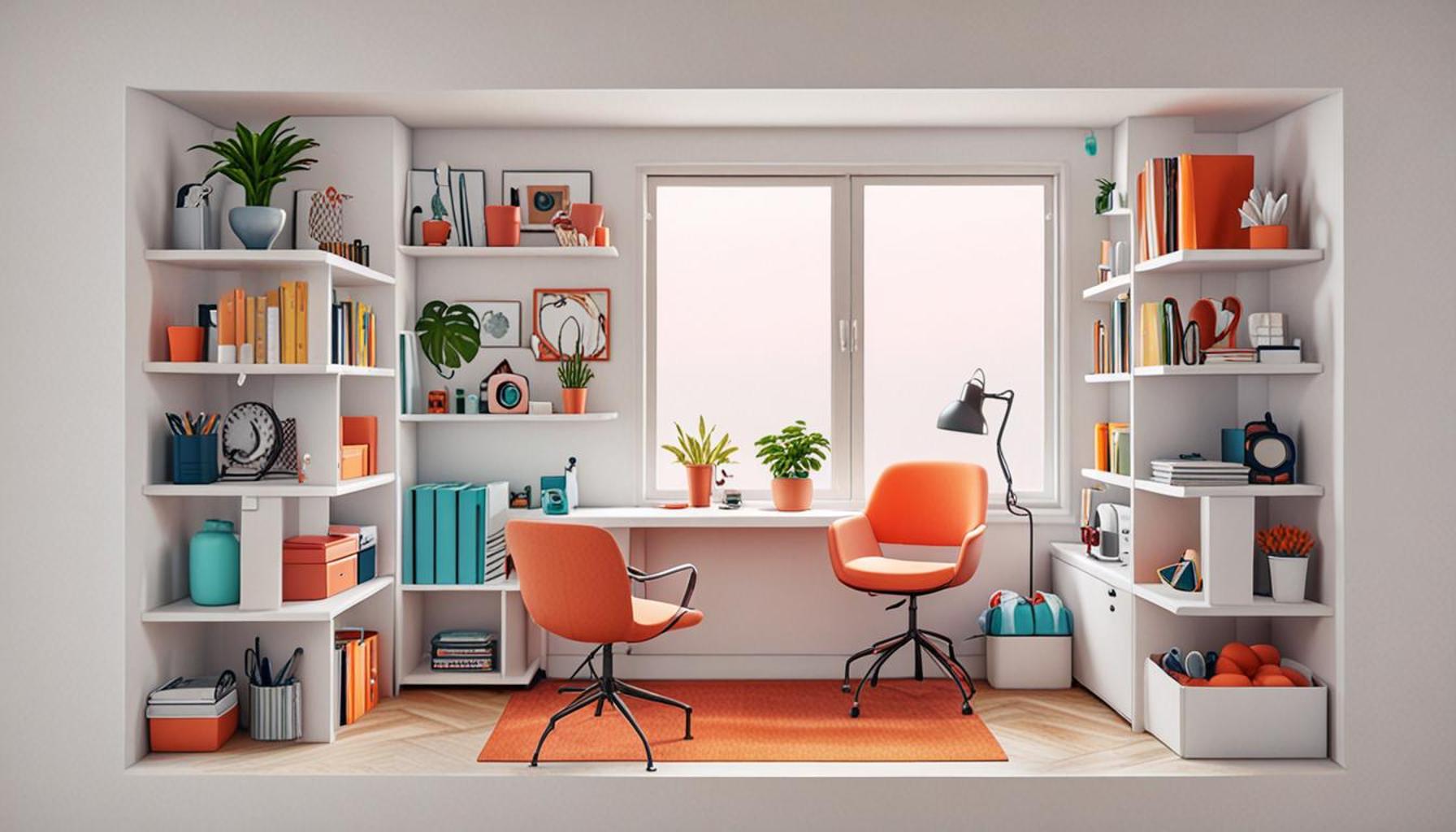
When floor space is at a premium, the solution lies upwards. Leveraging vertical storage solutions can be transformative in compact spaces. Wall-mounted shelves and tall bookcases are perfect for storing books, displaying decor, or organizing office supplies. Hanging racks for kitchen utensils or bathroom accessories can provide ample storage without intruding upon precious floor space.
Implementing hooks for coats or bags at the entryway adds both convenience and visual appeal. Stacking storage bins or organizing boxes vertically maximizes room efficiency. By optimizing vertical areas, you maintain an organized and accessible environment while enhancing the room’s aesthetic appeal. This approach contributes to an open and airy feel, making your small space seem larger and more inviting.
Declutter Regularly
Maintaining a minimalist lifestyle hinges on the practice of regular decluttering. It’s crucial to adopt a habit of removing unnecessary items from your living spaces. Establish a routine of periodically reviewing your belongings to determine whether each item serves a meaningful purpose. It’s astonishing how much accumulates over time without conscious awareness.
By diligently choosing to keep only what you genuinely need and cherish, you not only free up space but also foster a more peaceful environment. A practical technique is the “one in, one out” rule: for every new item introduced into your home, donate or discard an old one. This approach organically curates your living space, ensuring it remains functional, uncluttered, and aligned with minimalist values.
Opt for Hidden Storage Solutions
The elegance of a minimalist space often stems from its clean and unadorned look. Achieving this involves embracing hidden storage solutions. Imagine utilizing under-bed storage for off-season clothing, investing in furniture with discreet compartments, or employing decorative baskets to house miscellaneous items without sacrificing style.
For example, select furniture with built-in drawers or benches that open to unveil hidden storage spaces. This method preserves your room’s functionality while keeping clutter at bay. The aim is to seamlessly integrate storage with your living space design, ensuring everything has its designated place. Elegant hidden storage enriches your home by maintaining the minimalist aesthetic without compromising practicality.
Create Zones for Functionality
Despite limited space, establishing distinct zones for various activities can significantly enhance organization and productivity. This method may involve delineating a workspace from a relaxation area or crafting a cozy reading nook. Visual tricks, such as using rugs or strategic furniture placement, help define these zones.
Dividers, screens, or even plants can create subtle boundaries between different areas without entirely closing them off. This organizational strategy not only keeps similar activities grouped together but also promotes focus and clarity in a confined environment. With designated areas for specific functions, your space will feel larger and more efficiently utilized.
In conclusion, maximizing small spaces demands intentionality in your choices and a commitment to minimalism. By integrating multi-functional furniture, capitalizing on vertical space, engaging in regular decluttering, selecting hidden storage solutions, and crafting functional zones, you can transform a cramped living area into a tranquil, clutter-free sanctuary. Embrace a more organized, minimalist lifestyle by starting with these tips today!
| Category | Details |
|---|---|
| Multi-Functional Furniture | Investing in furniture that serves multiple purposes, such as a sofa bed or an ottoman with storage, maximizes space and enhances functionality. |
| Vertical Storage Solutions | Utilizing wall-mounted shelves and tall bookcases promotes *efficient use of vertical space*, allowing for more floor area to be kept clear and open. |
| Decluttering Strategies | Applying the principle of *minimalism through decluttering* helps to maintain an organized space, promoting calmness and clarity within the environment. |
| Color and Design Choices | Opting for lighter colors and simple designs can create an *illusion of more space*, making small areas appear larger and more welcoming. |
By focusing on multi-functional furniture, individuals can effectively utilize every corner of their small spaces while ensuring functionality. For instance, a coffee table could not only serve its primary function but also provide storage for magazines and remotes, reducing clutter. Moreover, vertical storage solutions play a crucial role in maximizing limited floor space. By going upwards instead of outwards, one can create a visually appealing environment that not only looks organized but also makes items easily accessible. Decluttering is another essential strategy for maintaining a minimalistic approach. A room filled with unnecessary items can become overwhelming and counterproductive. By adopting a regular decluttering routine, one can keep their environment serene and conducive for relaxation and productivity.Finally, the choices of color and design cannot be overlooked. Light, neutral hues on walls and furniture can create a harmonious flow, tricking the eyes into perceiving a larger area than what is physically present. Simple, clean lines in decor further enhance this effect, making any small space feel inviting and spacious.
Frequently Asked Questions about Maximizing Small Spaces
How can I make the most of minimal space in my home?
To maximize minimal space, start by prioritizing multifunctional furniture. For instance, consider a sofa bed or a table that can be folded against the wall when not in use. Additionally, utilize vertical spaces by incorporating shelves and wall hooks, allowing you to free up floor space. Finally, embrace the practice of decluttering regularly to ensure only essential items occupy your living area.
What strategies help in maintaining a minimalist look in small spaces?
Maintaining a minimalist aesthetic begins with a commitment to simplicity and functionality. Select furnishings and decor that serve a purpose and avoid overly ornate designs. Neutrals and soft color palettes can help create a sense of openness. Also, creative storage solutions like under-bed storage or built-in cabinetry can help keep the space tidy and aesthetically pleasing.
Is it possible to have a minimalist kitchen, and how?
Yes, a minimalist kitchen is achievable by ensuring all utensils and appliances are carefully curated and serve a clear function. Consider opting for integrated appliances that blend seamlessly with cabinetry. Additionally, employ smart storage solutions, such as pull-out racks and hidden compartments, to maintain a clean and clutter-free environment while keeping essentials accessible.
What role does lighting play in making small spaces feel larger?
Lighting is a crucial element in creating the illusion of a larger space. Natural light is best, so ensure windows are unobstructed to let in as much light as possible. Complement natural lighting with layered artificial lights, including a combination of ambient, task, and accent lighting. Mirrors strategically placed can reflect light and visually expand the space further.
How can I personalize my minimalist space without it becoming cluttered?
Personalizing a minimalist space is about thoughtful selection of decor elements. Choose a few standout pieces such as artwork or a unique furniture item to add character. Each piece should have a defined purpose or evoke a personal connection, contributing to the space’s overall harmony and balance while preventing clutter.
Conclusion
In a world that continually offers more than we can consume, the art of minimalism comes as a breath of fresh air. Embracing a minimalist lifestyle isn’t just about reducing clutter; it’s about enriching quality of life by simplifying our surroundings. The journey of maximizing small spaces with effective organization techniques aligns perfectly with this ethos, highlighting the profound impact of thoughtful design and strategic storage solutions.
Throughout the article, we’ve explored five essential strategies for optimizing small spaces: leveraging vertical storage, adopting multifunctional furniture, utilizing underutilized areas, implementing smart sorting and storage solutions, and fostering an open, clutter-free environment. Each strategy plays a crucial role in harmonizing space and simplicity, creating environments that are not only functional but also visually appealing.
The importance of personal organization cannot be overstated. It has a direct impact on our mental clarity and productivity, serving as a foundation for well-being. By focusing on what truly matters and meticulously curating our possessions, we craft spaces that reflect our values and aspirations. Moreover, the principles of minimalism encourage mindful consumption and a deeper appreciation for the items we choose to keep.
In conclusion, the pursuit of minimalism in small spaces invites us to rethink how we inhabit our environments. It challenges us to prioritize quality over quantity and to embrace a lifestyle that celebrates simplicity. As you embark on your own journey of maximizing spaces, consider the possibilities that thoughtful organization offers. It is an invitation to not only transform your home, but to enrich your life with purpose and intentionality.