Mindfulness and Organization: Minimalist Techniques to Create Spaces that Promote Calm and Clarity
The Modern Pursuit of Peace
In our fast-paced society, where the hum of smartphones and constant notifications weave into the fabric of daily life, it can become increasingly challenging to find a moment of tranquility. The chaos inherent in urban living, particularly in Nigeria’s bustling cities like Lagos and Abuja, can lead to heightened levels of stress. Here, the practice of mindfulness emerges as a beacon of hope, offering individuals a pathway to clarity and calm by encouraging us to engage fully with the present moment.
One transformative approach to cultivating this sense of calm is through minimalist techniques. Minimalism isn’t just about decluttering; it’s a holistic way of living that emphasizes intentionality and purpose. By simplifying our surroundings, we can foster environments that nurture peace and grounding. Let’s delve into several strategies that can be effortlessly integrated into everyday life:
- Decluttering your space: Start by assessing what items truly serve a purpose in your life. In Nigeria, many people accumulate belongings that represent memories or aspirations, but it is vital to regularly evaluate whether these items still resonate with your current life. Donate or discard items that no longer bring joy, which can free up mental and physical space.
- Incorporating natural elements: Introducing houseplants not only beautifies a space but also enhances air quality and promotes well-being. The indigenous Nigerian plant, Snake Plant, is particularly hardy and requires little maintenance, making it an excellent choice for urban dwellers seeking serenity amidst the hustle.
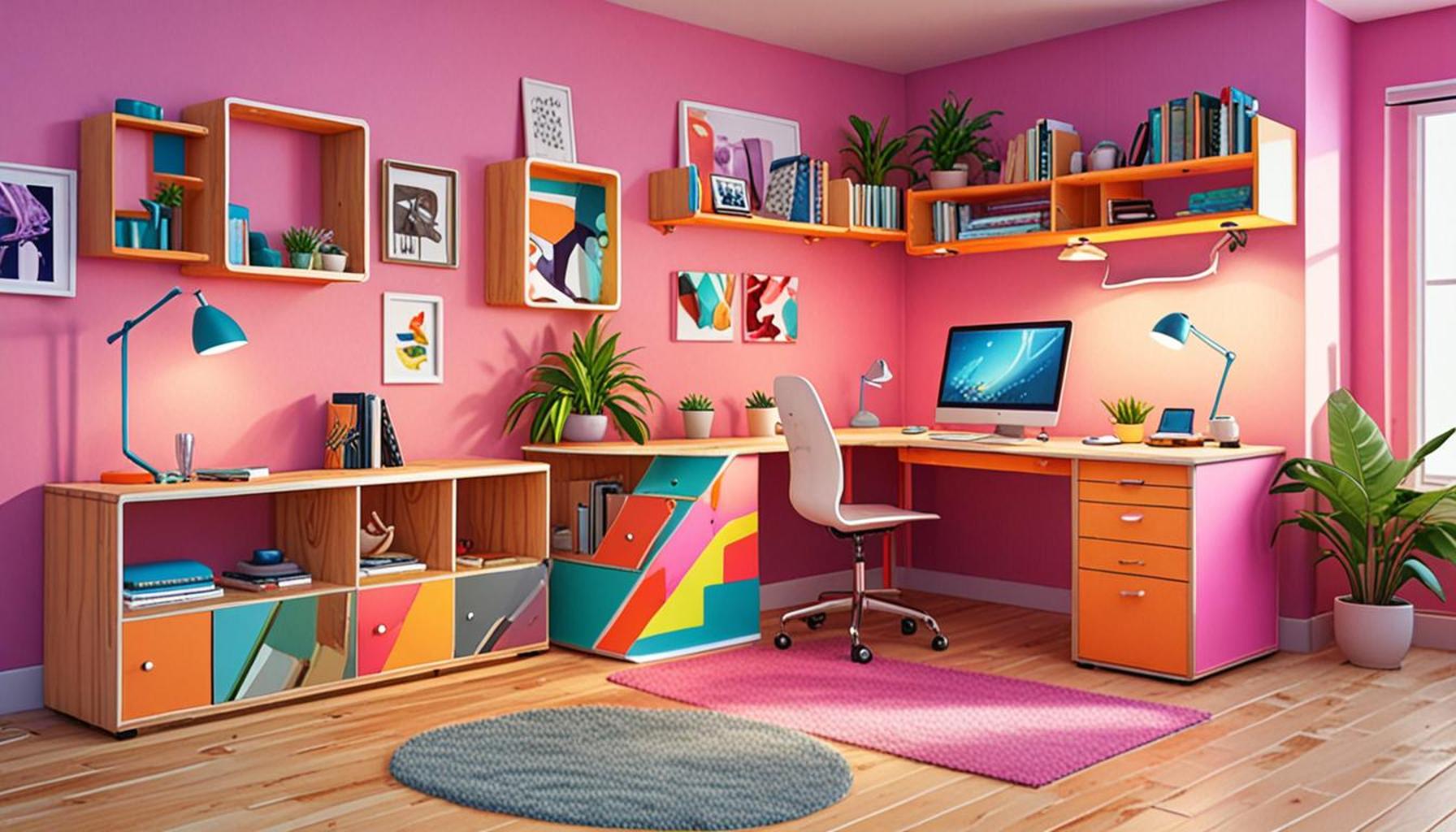
- Designing functional areas: Creating a designated workspace or a reading nook can significantly bolster focus and relaxation. Using multi-functional furniture, such as a stylish ottoman that doubles as storage, optimizes space—a crucial consideration in apartments common in cities like Enugu and Port Harcourt.
By consciously organizing your personal or work area, you can create a sanctuary that promotes mindfulness. Research shows that a clean, well-organized environment can lead to improved mental health and productivity. In the context of Nigeria’s vibrant lifestyle, this is particularly vital as we navigate the demands of both work and social obligations.
Explore the ways these minimalist practices can reshape your surroundings. By stripping away the excess, we open ourselves to a world of clarity and peace, allowing us to thrive amid the complexities of modern life. Discover the profound impact that adopting a minimalist approach can have on fostering an inner sense of calm and clarity. This journey towards simplicity could be the starting point for a more intention-driven life.
LEARN MORE: This related article may interest you
Unlocking the Power of Decluttering
One of the foundational principles of minimalism is the act of decluttering. In Nigeria, it’s all too common for our homes to be laden with items collected over years—gifts, clothes that will fit again “one day,” or even unused kitchen gadgets. Each of these pieces can create a sense of burden, clouding our ability to focus and find peace. The first step toward a more mindful, organized space is to critically assess what truly deserves to occupy the physical and emotional space in our lives.
Begin by adopting a strategic approach to decluttering. This involves methodically going through your possessions and asking key questions: Does this item serve a purpose? Does it bring me joy? If the answer is no, it’s time to let it go. In urban areas, where space is at a premium—especially in apartments throughout Lagos or Kano—this practice can free up areas that had previously felt chaotic, allowing for a greater sense of calm.
Consider implementing the following steps to create an environment conducive to mindfulness:
- Set a timeline: Allocate specific days for decluttering different sections of your home, whether it be your wardrobe, kitchen, or living area. Breaking this process down can prevent overwhelm.
- Use the ‘one in, one out’ rule: For every new item you bring into your home, ensure that you let go of another, maintaining a balance and discouraging accumulation.
- Organize by category: Group similar items together, which can make it easier to identify what you have and what you truly need. For instance, create a dedicated space for all your documents and important files to avoid the dreaded paperwork pile-up that plagues so many homes.
- Involve everyone: Encourage family members to participate in the decluttering process. A collective effort can not only ease the burden but also foster a shared appreciation for the serene environment you strive to achieve.
After decluttering, the next step is to create functional zones within your home. Designating specific areas for work, relaxation, and hobbies will help cultivate a feeling of balance and organization. In bustling Nigerian cities, transforming a corner of your living room into a cozy reading nook or a distraction-free workspace can dramatically enhance your productivity and mental clarity. Utilize multi-functional furniture, such as a storage ottoman or a desk that doubles as a dining table, to maximize your available space.
By embracing these minimalist techniques, you are not merely altering the physical layout of your surroundings—you are also nurturing a mindset shift that prioritizes calm and presence. The act of organizing is deeply intertwined with mindfulness; when our environments support tranquility, our minds can follow suit. Each small change contributes to a larger transformation, helping to create spaces that resonate with serenity amidst Nigeria’s vibrant pace of life.
Exploring Minimalist Techniques for Mindful Spaces
Creating spaces that foster calm and clarity isn’t just about decluttering; it’s about transforming your environment into a sanctuary that invites peace and focus. The minimalist approach to organization invites a deeper connection with the surroundings, aligning with the principles of mindfulness. The goal is to curate an atmosphere that not only reduces distractions but also encourages intentional living.
Mindful Decluttering
At the heart of minimalism lies the principle of decluttering. Begin by assessing your belongings with a critical eye, asking yourself whether each item serves a purpose or brings joy. This exercise isn’t merely about physical space; it invites you to engage in self-reflection and determines what truly matters in your life. The act of letting go can be liberating and is a significant step towards achieving greater mental clarity.
Intentional Space Design
Consider the layout and design of your space through the lens of intention. Use natural light to your advantage, integrate calming color palettes, and select furnishings that provide comfort and functionality. Each choice should echo simplicity and purpose, reinforcing the values of mindfulness. For example, incorporating plants can enhance air quality while providing a visual reminder of life and growth.
Creating Zones for Focus
Designate specific areas for different activities—work, relaxation, and creativity. This zoning method helps to mentally compartmentalize tasks, encouraging you to stay focused and present in the moment. Integrating minimalist furniture can also facilitate this separation, promoting an organized atmosphere free from the clutter that causes distraction.
Mindful Organization Practices
Establish routines centered around maintaining your organized spaces. Schedule regular decluttering sessions and perform quick daily checks to ensure that items return to their designated places. This not only keeps your environment neat but also reinforces mindfulness in your daily actions. By transforming your environment into one that embraces minimalism and mindfulness, you can cultivate an atmosphere that promotes both calmness and clarity. Embracing the journey of mindful organization can lead to profound shifts in both your space and mindset, encouraging a lifestyle centered around presence and peace.
| Category | Advantages |
|---|---|
| Mindful Decluttering | Promotes emotional clarity by reducing distractions. |
| Intentional Space Design | Enhances well-being through healing aesthetics. |
Incorporating these minimalist techniques will not only enhance the aesthetic of your space but will also greatly contribute to a more mindful and organized life. Through intentional efforts, the spaces around you can evolve to reflect the calm and clarity you seek within.
RECOMMENDED: Check out this similar article
Designing Spaces for Mindfulness
Once decluttering is complete, the next phase in achieving mindfulness and organization lies in designing spaces that promote calm and clarity. It’s essential to create environments that not only serve functional purposes but enhance your overall well-being. In Nigeria, where life can often feel frenetic, creating tranquil zones within our homes can act as a counterbalance to external chaos.
First, consider the importance of natural elements. Incorporating plants into your living spaces can have a profound impact on your mental state. Studies show that greenery can reduce stress and anxiety levels, making homes feel more inviting and serene. In urban settings like Lagos, plant options such as snake plants, pothos, or peace lilies can thrive in limited light and require minimal maintenance, making them perfect additions to your organized environment.
Lighting is another critical aspect of mindfulness in space design. Opt for soft, ambient lighting instead of harsh overhead fluorescents. Consider using floor lamps or table lamps with adjustable brightness to create a cozy atmosphere. During the day, allow as much natural light in as possible to enhance mood and productivity. In areas where artificial lighting is necessary, installing dimmers can also aid in adjusting the energy of the room based on the time of day or your activities.
Strategic Layouts for Serenity
The layout of a room can significantly influence the overall feel. Aim to create an open layout that promotes fluidity and ease of movement. In bedrooms or living rooms, avoid over-furnishing to keep spaces feeling spacious and uncluttered. Intentionally placing furniture can create natural pathways that enhance a feeling of openness. For example, in a living room, arranging seating in a circular formation can invite conversation and connection while providing a sense of inclusivity.
Zone your spaces for specific activities. For instance, in a small apartment, create a corner workspace with a simple desk and a comfortable chair, using dividers or rugs to define the area visually. In high-energy environments like schools or community centers, establishing quiet reading areas with cozy seating can facilitate relaxation and focus.
Sound and Scent: Enhancing Atmosphere
Beyond visual aesthetics, consider sound and scent as pivotal elements in creating peaceful environments. Introducing soft background music or nature sounds can calm the mind and foster concentration. In a Nigerian context, playing gentle African drumming or soft highlife music may evoke a sense of nostalgia while setting a tranquil tone.
Similarly, using essential oils or scented candles can significantly impact emotional well-being. Scents like lavender or sandalwood are known for their calming effects. Position a diffuser in workspaces or relaxation areas to fill the air with soothing fragrances that promote serenity and mindfulness.
Ultimately, the goal of mindfulness and organization through minimalist techniques goes beyond mere aesthetics. It’s about creating sanctuaries of peace within our homes. As you cultivate spaces that prioritize calm and clarity, you may find yourself not just tidying up your physical surroundings, but also nurturing a deeper connection with your inner self amid Nigeria’s vibrant liveliness. With each mindful design decision, you inch closer to a life that balances beauty, function, and tranquility.
LEARN MORE: This related article may interest you
Conclusion: Embracing Mindfulness through Organized Spaces
In today’s fast-paced environment, especially in a bustling nation like Nigeria, achieving mindfulness through organized living spaces has never been more crucial. By implementing minimalist techniques, individuals can transform their homes into serene sanctuaries that counterbalance the chaos of everyday life. Decluttering is just the first step; the real journey begins with thoughtful design choices that include natural elements, strategic layouts, ambient lighting, and sensory enhancements like sound and scent.
Each decision contributes to an overall atmosphere of calmness and clarity, fostering a sense of well-being that extends beyond aesthetics. As you embrace these principles, you’ll discover that creating spaces that resonate with tranquility not only enhances productivity and mood but also encourages a deeper connection with oneself. It’s about curating an environment that reflects personal values and priorities, allowing for growth and introspection amidst Nigeria’s vibrant culture.
Ultimately, the integration of mindfulness and organization is a holistic approach that leads to improved mental health and emotional resilience. Consider starting small—perhaps by creating a peaceful reading nook or a designated workspace that nurtures your creativity. As you apply these techniques, you’ll not only witness a shift in your physical space but may also inspire others to pursue the beauty and simplicity that comes from organized living. Together, let us cultivate mindful spaces where clarity reigns and serenity flourishes.