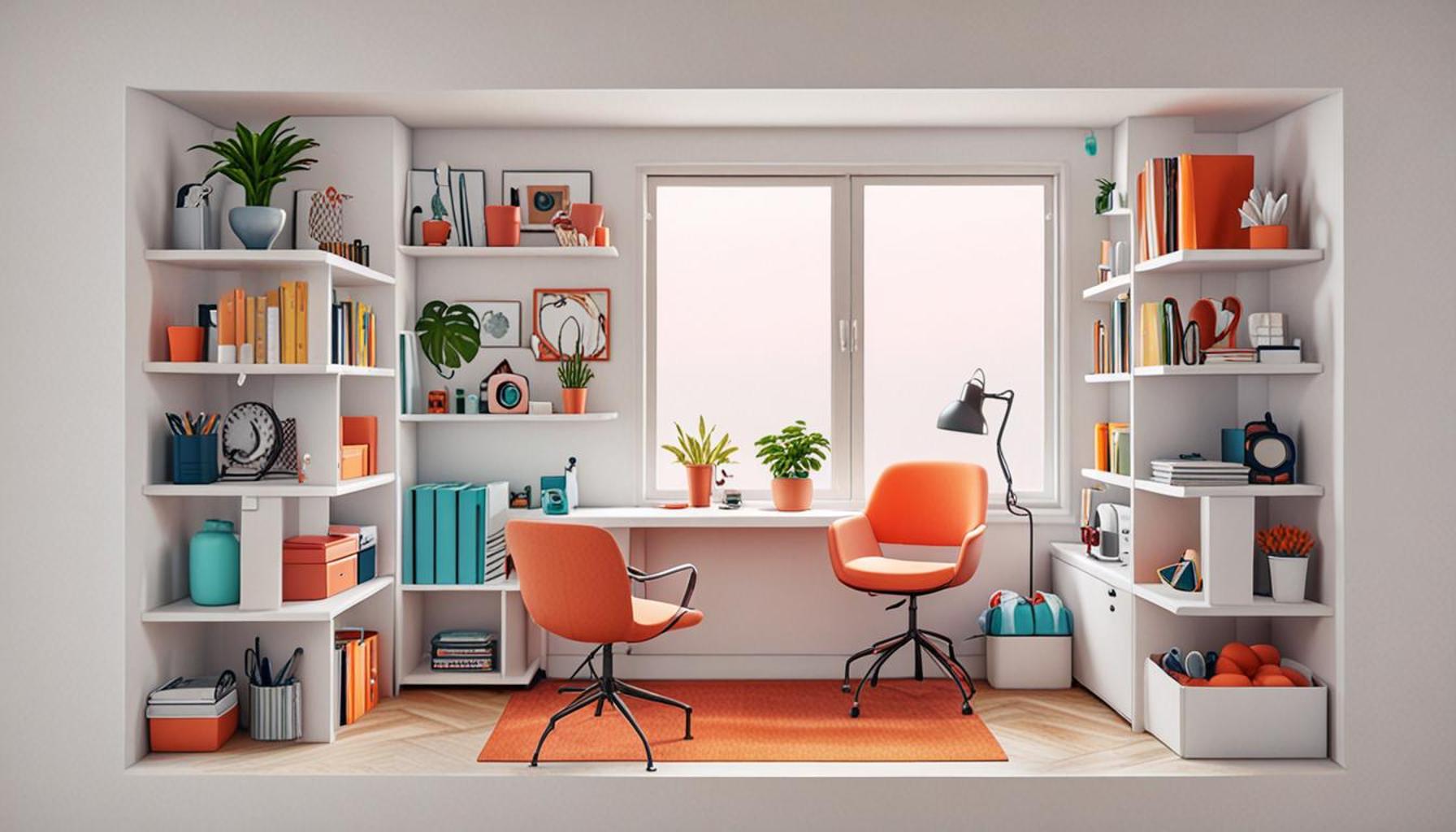
Spatial Efficiency in Kitchens: Minimalist Tips for Organizing and Optimizing Culinary Space
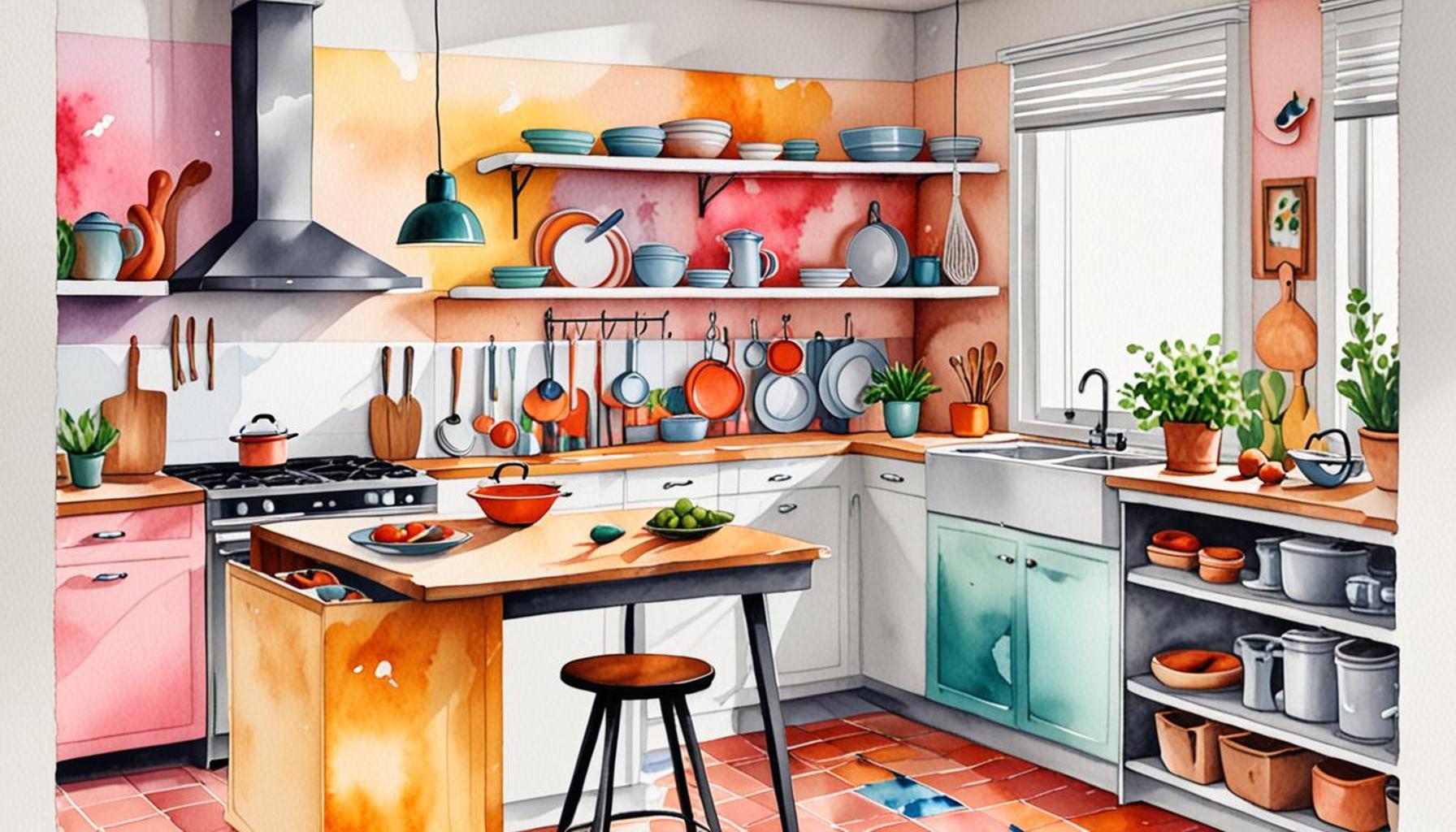
Transform Your Kitchen Space
In today’s bustling world, where every square inch counts, achieving spatial efficiency in kitchens is more crucial than ever. A well-organized kitchen not only enhances functionality but also elevates your culinary experience. With the rise of minimalism, many Nigerians are seeking smarter ways to optimize their culinary spaces. The kitchen, often regarded as the heart of the home, deserves a strategic approach to design and organization that allows for both creativity and practicality.
Why Focus on Spatial Efficiency?
Understanding the importance of efficient kitchen layouts can lead to several tangible benefits:
- Improved workflow: A well-planned kitchen minimizes the time you spend looking for utensils and ingredients. Consider the classic ‘kitchen work triangle’—the space between the stove, sink, and refrigerator—which is essential for smooth cooking transitions. This principle ensures you have everything you need within arm’s reach.
- Enhanced storage: With limited space, especially in compact Nigerian homes, maximizing available storage becomes essential. Utilizing cabinets, pull-out shelves, and under-sink storage can create room for everything from pots to spices, thus reducing the mess in your culinary space.
- Visual appeal: An organized kitchen is not just functional; it can also create a serene and inviting environment for cooking. Techniques such as using color schemes that reflect personal taste or displaying commonly used items in decorative jars can enhance the overall ambiance.
Minimalist Tips for Organizing
Here are some specific tips tailored for Nigerian kitchens that can help you optimize your space:
- Declutter: Keep only essential gadgets and tools. In many cases, a kitchen may house items that haven’t been used in years. Consider donating or selling duplicates of utensils or appliances that no longer serve a purpose in your daily cooking.
- Use vertical space: Install shelves or cabinets that reach the ceiling to take advantage of vertical storage. This not only opens up floor space but also allows you to store seasonal items or less frequently used appliances up high while keeping everyday tools at eye level.
- Incorporate multifunctional furniture: Think beyond traditional setups. Kitchen islands that double as dining tables or breakfast bars are ideal for small spaces, offering both functionality and versatility. Furthermore, a foldable dining table can be an excellent addition to accommodate guests without permanently occupying space.
By embracing these strategies, you’re not just saving space; you’re reinventing the way you experience daily cooking. The journey to a minimalist kitchen goes beyond mere aesthetics—it’s about creating an environment where food can be prepared with ease and joy. Let’s dive deeper into these minimalist techniques for kitchen efficiency and inspire a more enjoyable culinary experience.
YOU MAY ALSO LIKE: Read read another article
Embrace Minimalism in Your Culinary Space
Achieving spatial efficiency in the kitchen is not merely about storing more items; it’s about creating an environment where cooking can flourish. Every homeowner understands the frustration of rummaging through cluttered drawers or navigating crowded countertops. Implementing minimalist strategies can significantly impact both the functionality and the aesthetics of your kitchen. In Nigeria, where many families inhabit compact homes, applying these principles yields even greater rewards.
The Power of Decluttering
One of the first steps towards an efficient kitchen is to declutter. Begin by assessing your tools and appliances honestly. Ask yourself, “How often do I really use this?” Often, kitchens accumulate items that serve little purpose. To navigate this process, consider the following:
- Frequency of Use: Keep items that you use regularly, such as your favorite frying pan, knives, and mixing bowls. Remove those that have gathered dust and serve no practical function.
- Duplicates: Identify and reduce duplicates. If you possess multiple sets of measuring cups or kitchen gadgets, choose the best and either donate or sell the rest.
- Emotional Attachment: While it’s sentimental to hold onto gifts, be conscious of how they occupy your precious space. Remember, your kitchen should work for you, not against you.
Another essential aspect of organizing your kitchen is maximizing storage. Given the various tools and ingredients essential for cooking Nigerian cuisine, effective storage solutions can make a world of difference. Here are practical suggestions to enhance your kitchen storage:
- Smart Shelving: Invest in adjustable shelving that accommodates different items, from pots to spices. Pegboards can also be installed on walls to hang frequently used utensils, eliminating the need for drawer space.
- Clear Containers: Use clear containers for storing items like rice, beans, and spices. This not only keeps ingredients fresh but also allows you to see what you have easily.
- Underutilized Spaces: Don’t neglect areas such as the back of cabinet doors or the spaces above your cabinets. These can be ideal for storing less frequently used items like cake pans or seasonal serveware.
Creating Multifunctional Spaces
In today’s smaller kitchens, every square inch matters. Thus, consider embracing multifunctional furniture to maximize utility. A kitchen island that serves as both a prep space and dining area exemplifies thoughtful design. Not only does it provide additional workspace, but it can also become a gathering spot for family and friends. Similarly, a foldable table can serve varied purposes without permanently occupying space.
By adopting these minimalist practices—decluttering, optimizing storage, and integrating multifunctional elements—you pave the way towards a kitchen that is not just organized but also a true reflection of your culinary passions. As we continue to explore more techniques, we will uncover further ways to make your kitchen a harmonious, efficient, and inviting space.
| Category | Advantages |
|---|---|
| Purposeful Storage | Using drawers and shelves strategically can maximize space and reduce clutter, making the kitchen feel more open. |
| Multi-Functional Tools | Investing in multi-use kitchen tools saves space and minimizes the need for numerous gadgets, promoting efficiency. |
| Vertical Space | Utilizing walls and ceilings for storage helps create a minimalist aesthetic while keeping essential items accessible. |
| Decluttering Regularly | Engaging in regular decluttering sessions enables the kitchen to remain functional and organized year-round. |
Efficient organization in your kitchen opens up possibilities for cooking and entertaining. Techniques such as utilizing vertical space not only enhance your kitchen’s aesthetic but also free up valuable counter areas. Regular decluttering serves to refresh culinary spaces and maintain an atmosphere conducive to creativity. Embracing the minimalist approach promotes sustainability, encourages mindful consumption, and reduces the chaos often found in overstuffed kitchen drawers. Exploring the dynamic between function and form within kitchen spaces cultivates an environment that can adapt to various culinary needs while preserving simplicity. Discover how to transform your kitchen into an efficient culinary workspace that reflects both your personal style and the principles of minimalist design through informed choices.
ADDITIONAL INSIGHTS: Expand your understanding here
Enhancing Functionality with Smart Organization
Moving beyond mere decluttering, the next crucial step towards achieving spatial efficiency in your kitchen is smart organization. This involves strategic placement of items to boost accessibility and usability. By organizing your kitchen with intention, you simplify cooking tasks and enjoy the process even more. Below are actionable strategies tailored for the Nigerian culinary landscape:
Zones for Efficiency
One of the most effective ways to organize your kitchen is by creating designated work zones based on culinary tasks. This method streamlines meal preparation and enables quick access to tools and ingredients. Consider the following zones:
- Preparation Zone: Designate an area with cutting boards, knives, and mixing bowls near the counter space. Keep frequently used items such as chopping knives within arm’s reach to minimize movement during food prep.
- Cooking Zone: Position pots, pans, and utensils near your stove. A magnetic strip on the wall can hold metal utensils while hanging pots save cupboard space.
- Cleaning Zone: Ensure that your sink area houses dish soap, sponges, and drying racks. Optimizing this space prevents clutter from accumulating in the cooking zone.
- Storage Zone: Store dry goods and frequently used spices in easy-to-reach cabinets or shelves to promote seamless navigation around your kitchen.
Vertical Storage Solutions
Utilizing vertical space is a game changer for kitchens with limited square footage. Think creatively regarding shelf heights and hanging options. For instance, installing floor-to-ceiling cabinets maximizes storage without consuming extra space. Here are some options to consider:
- Wall-Mounted Racks: These can be perfect for holding spices, cookbooks, or utensils, keeping items off countertops while remaining easy to access.
- Tiered Racks: In cupboards, use tiered racks to allow visibility for smaller items at the back, ensuring that nothing gets forgotten.
- In-Cabinet Organizers: Introducing pull-out shelves or baskets can be tremendously helpful as they enable you to see all items stored within the cabinet without having to bend down.
Emphasizing Local Solutions
In Nigeria, embracing traditional storage solutions can also enhance your kitchen’s spatial efficiency. For instance, using locally sourced baskets can beautifully store vegetables or fruits, combining aesthetics with functionality. The concept of “kitchen gardens” is gaining popularity; having herbs within arm’s reach can encourage fresh cooking and cut down on grocery costs.
Additionally, consider beautiful Nigerian pottery to store essentials such as beans, cassava flour, or local spices. These containers not only serve as decorative elements but also create a sense of culture within the kitchen.
Ultimately, achieving a minimalist, organized kitchen is not only about clearing space but also about revitalizing your culinary routine. By embracing zones for efficiency, maximizing vertical storage, and incorporating local solutions, you create a culinary environment that inspires creativity and ease, making every meal preparation feel like an effortless journey.
LEARN MORE: This related article may interest you
Conclusion
In summary, achieving spatial efficiency in kitchens goes beyond basic organization; it is about creating an inviting space that enhances your cooking experience. By implementing minimalist strategies such as establishing designated work zones, utilizing vertical storage solutions, and embracing local storage traditions, you can transform your culinary space into a harmonious and functional environment.
As Nigerian kitchens often serve as a central hub for families, it is crucial to tailor these strategies to suit local cooking practices and preferences. Simple changes, like incorporating beautiful Nigerian pottery or leveraging the growing trend of kitchen gardens, not only optimize space but also celebrate our rich cultural heritage.
Remember that the essence of a well-organized kitchen lies in its ability to inspire creativity and efficiency. The small adjustments you make today can lead to significant impacts on your daily culinary routine, allowing you to navigate through meal preparations with ease and joy. Take the time to reevaluate your space and apply these minimalist tips; you may find that a more organized kitchen translates to a more enjoyable cooking experience. In the quest for a functional kitchen, let these strategies guide you toward a future where every meal preparation feels seamless and satisfying.