
Minimalism in Fashion: Building a Functional and Sustainable Wardrobe
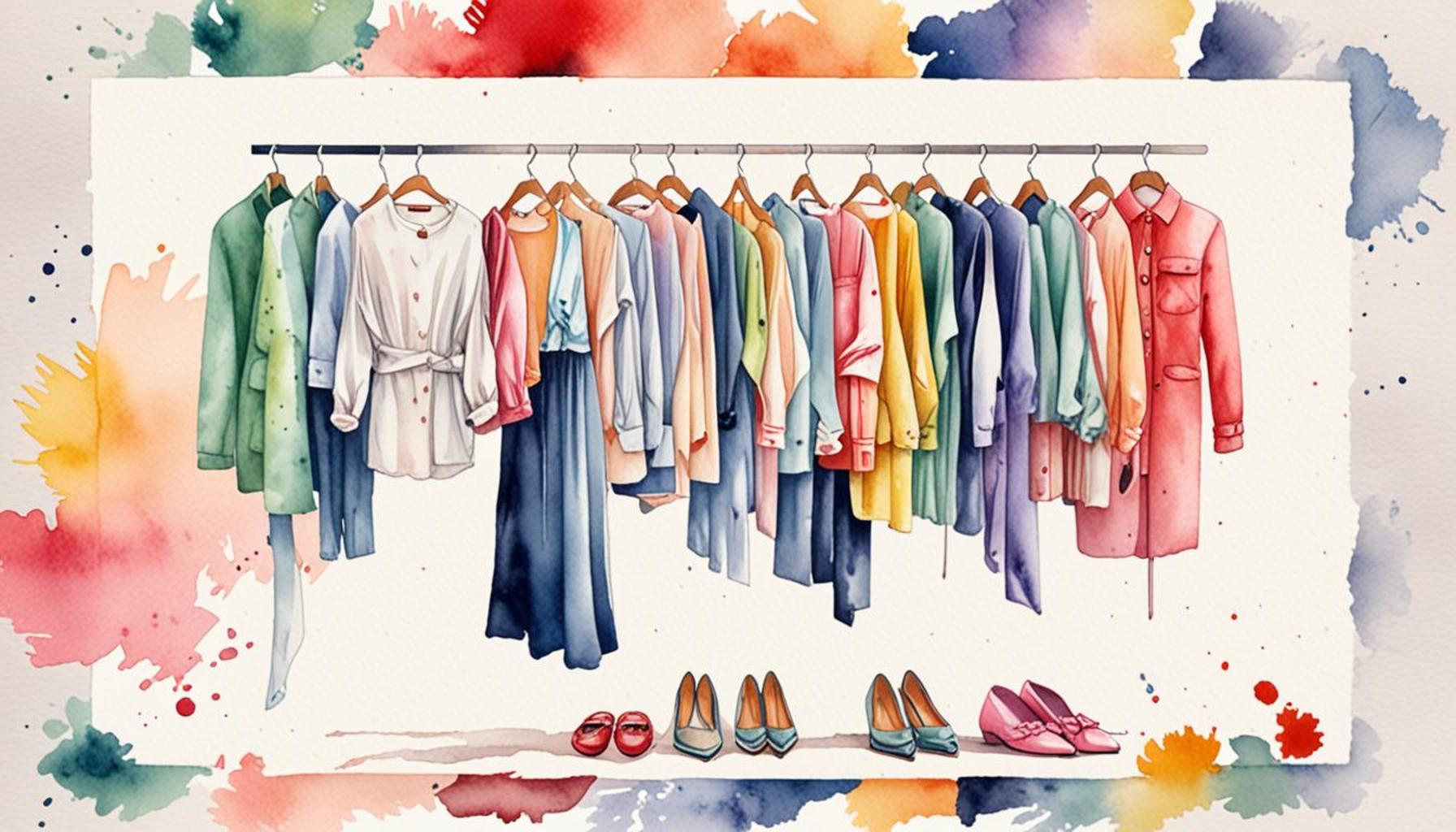
The Case for Minimalism in Fashion
The overwhelming presence of fast fashion has led many to reevaluate their consumption habits, particularly in the realm of clothing. This shift towards embracing minimalism in fashion is not just a passing trend; it is a conscious lifestyle choice that resonates with a growing number of individuals seeking a more sustainable and intentional approach to their wardrobes. By curating a collection of thoughtfully chosen, high-quality garments, personal style evolves into a more meaningful expression of individuality.
Minimalism is grounded in three core principles:
- Versatility: Each item in a minimalist wardrobe is designed for multi-functionality. For example, a classic white shirt can be worn in various settings—from a formal office environment to a casual evening out—by simply accessorizing differently or pairing it with other clothing items.
- Quality over Quantity: This principle encourages consumers to invest in garments made from durable fabrics that offer longevity. In contrast to the disposable nature of fast fashion, consider a well-made pair of jeans crafted from high-quality denim that lasts for years, resulting in a more sustainable wardrobe.
- Focused Aesthetic: A minimalist wardrobe often features a cohesive color palette that complements one’s skin tone. Such cohesion allows for easy mixing and matching, ensuring that every piece serves multiple purposes while enhancing personal style.
Embracing Minimalism in Nigerian Fashion
In the vibrant and dynamic fashion scene of Nigeria, where traditional and contemporary styles coexist, adopting a minimalist approach can be particularly beneficial. The quest for a simpler, yet stylish wardrobe can free individuals from the pressure of conforming to ever-changing trends. Instead, they are encouraged to select staples that reflect their cultural heritage and personal identity.
Examples of this minimalist mindset in Nigeria include:
- Cultural Attire: Many Nigerians are incorporating traditional fabrics like Ankara or Aso Oke into modern designs, creating timeless pieces that honor their heritage while remaining chic.
- Decluttered Basics: Essential clothing items such as simple cotton shirts, tailored trousers, or versatile skirts can serve as the foundation of a minimalist wardrobe. These items are not only stylish but practical for everyday wear.
- Sustainable Brands: An increasing number of local brands emphasize sustainable practices, showcasing artisans who craft ethical fashion without compromising on style. Supporting such brands bolsters the local economy while promoting environmentally friendly practices.
By embracing the core tenets of minimalism, individuals can construct a functional and sustainable wardrobe that not only reflects personal aesthetic preferences but also aligns with a commitment to environmental stewardship. As consumers navigate the choices available in Nigeria’s fashion industry, this journey encourages exploration and fosters a deeper understanding of style that is impactful and deliberate. By doing so, fashion not only becomes a means of self-expression but also a statement of values.
LEARN MORE: This related article may interest you
Defining Your Minimalist Wardrobe
Building a functional and sustainable wardrobe begins with understanding the essence of minimalism and how it applies to personal style. Minimalism is not merely about reducing clutter; it’s about making informed choices that emphasize functionality, aesthetics, and sustainability. A minimalistic approach encourages individuals to critically evaluate their needs versus wants, leading to a wardrobe that serves multiple purposes while eliminating excess.
The first step in creating a minimalist wardrobe is conducting a thorough wardrobe audit. This process involves assessing what you currently own and determining which pieces truly align with your lifestyle and personal taste. Ask yourself questions like: Do I wear this regularly? Does it fit well and suit my body type? Is it versatile enough to be styled in different ways? Items that do not meet these criteria can be considered for donation or resale, allowing others to benefit from your surplus.
Selecting Timeless Pieces
After decluttering, focus on selecting key pieces that embody the principles of minimalism. Timeless fashion staples play a crucial role in creating a cohesive wardrobe that withstands changing trends. Here are some essential items to consider:
- Classic White Shirts: A crisp white shirt can be paired with jeans for a casual outing or tailored trousers for a formal event.
- Well-Fitted Trousers: Whether in neutral shades or bold colors, well-fitted trousers can transition effortlessly from day to night.
- Little Black Dresses: The ever-reliable little black dress remains a versatile choice, suitable for various occasions when styled with the right accessories.
- Quality Outerwear: Investing in quality outerwear, such as a tailored blazer or a classic trench coat, not only elevates your outfit but also provides functional warmth.
- Versatile Footwear: Look for shoes that can be dressed up or down, such as classic loafers or minimalist sneakers.
In Nigeria, where the fashion landscape is rich with vibrant patterns and textures, consider how to integrate local styles with minimalism. For instance, garments made from locally sourced materials such as cotton or traditional textiles like Aso Oke can serve as beautifully crafted essentials. Prioritizing local craftsmanship not only supports artisans but also reduces the environmental impact associated with fast fashion imports.
Furthermore, the growing interest in sustainable fashion has seen a rise in Nigerian designers committed to ethical practices. Many are innovating by creating capsule collections that focus on quality over quantity, allowing consumers to embrace minimalism while making a statement through their clothing choices. Supporting these brands enables consumers to actively participate in a movement that prioritizes sustainability, aligning with the global push against overconsumption.
As individuals curate their minimalist wardrobes, they have the opportunity to reflect on their values and preferences. Minimalism in fashion not only promotes conscious consumption but encourages a lifestyle that values creativity, individuality, and sustainability in a time when the fashion industry faces significant challenges. This transformative approach to dressing empowers individuals to engage more deeply with their choices, fostering personal growth and a renewed appreciation for the artistry of clothing.
Exploring the Essentials of Minimalist Fashion
In the realm of minimalism, the essence lies not only in fewer items but also in the thoughtful curation of each piece within your wardrobe. Adopting a minimalist fashion approach means prioritizing quality over quantity. Each garment should serve a specific function, complement your style, and contribute to a sustainable future. This streamlining process encourages you to make informed purchasing decisions, which can greatly reduce impulsive buys that contribute to overconsumption in the fashion industry.
The Environmental Impact of Minimal Fashion
One of the most compelling aspects of minimalism in fashion is its positive impact on the environment. As you build a functional and sustainable wardrobe, you are inherently advocating for eco-friendly practices. Fast fashion is known for its detrimental effects on the environment, including pollution and waste. Embracing minimalism means investing in timeless, durable pieces that withstand trends and resist the urge to frequently update your wardrobe. This shift not only promotes a personal style that is distinctly yours but also ensures a significant reduction in textile waste—a growing concern in our modern world.
Prioritizing Versatility in Clothing
Minimalist wardrobes thrive on versatility. Each item should ideally mix and match seamlessly with various pieces, providing multiple outfit options without requiring vast quantities of clothing. For instance, a simple, well-tailored blazer can elevate casual looks while remaining suitable for professional settings. This versatility enables individuals to express their creativity and personal style without compromising on their minimalist values. As you explore minimalism, consider investing in a capsule wardrobe—fewer, versatile pieces allowing for endless combinations and ease of dressing.
| Advantage | Details |
|---|---|
| Increased Sustainability | Fewer garments lead to less waste, promoting a more sustainable lifestyle. |
| Enhanced Functionality | Carefully chosen pieces serve multiple purposes, maximizing their utility. |
As you delve deeper into minimalism, consider adopting the principles it embodies. From mindful purchasing to embracing quality, each step you take contributes to a wardrobe that not only matches your aesthetic but also aligns with your values, echoing a commitment to sustainability and function in today’s fashion landscape.
RECOMMENDED: Check out this similar article
Embracing Sustainable Practices
As the fashion industry confronts pressing environmental challenges, adopting minimalism offers an avenue towards sustainability. Minimalism in fashion transcends mere aesthetics; it embodies a commitment to ethical consumption that benefits both the planet and society. In Nigeria, where the fashion scene is continually evolving, embracing sustainable practices can significantly alter the impact of clothing production and consumption.
A pivotal aspect of building a sustainable wardrobe is recognizing the importance of ethical sourcing and production. When selecting pieces for your minimalist collection, consider brands that prioritize eco-friendly materials and responsible production methods. Fabrics such as organic cotton, linen, or Tencel not only minimize ecological footprints but also contribute to the longevity and quality of the garments. Purchasing from local artisans and brands that adhere to sustainable practices supports community economies and reduces the carbon footprint associated with international shipping.
The Rise of Upcycling
Another burgeoning trend in sustainable fashion is upcycling. This innovative practice involves transforming old or discarded clothing into new, fashionable items, effectively extending the life of fabric and reducing waste. In Nigeria, upcycling can be embraced by turning traditional garments or fabric remnants into stylish accessories or unique clothing pieces. Local initiatives have emerged, where talented designers take old clothing and breathe new life into them, crafting statement pieces that tell a story while promoting a sustainable ethos.
For those inclined towards DIY projects, upcycling offers an engaging way to personalize your wardrobe. By experimenting with techniques such as dyeing, cutting, and stitching, you can create one-of-a-kind items that embody your individual style while adhering to minimalism principles. Furthermore, this hands-on approach fosters a deeper connection between the wearer and their wardrobe, encouraging a greater appreciation for fashion as a form of self-expression rather than mere consumption.
Investing in Quality over Quantity
To truly embrace minimalism and sustainability, the focus should shift from accumulating a vast collection to investing in high-quality pieces that stand the test of time. This mindset fosters a culture of thoughtful consumption, significantly reducing the demand for fast fashion, which often prioritizes rapid production at the expense of quality and ethics. Research suggests that consumers are willing to pay a premium for pieces crafted sustainably, reflecting a growing awareness of the broader implications of fashion choices.
Additionally, adopting a “one-in, one-out” policy can help maintain balance in your wardrobe. Every time you acquire a new piece, consider letting go of a less-loved item. This practice not only keeps your wardrobe functional but also encourages mindfulness in your purchasing habits, fostering a deeper connection to your clothing.
In Nigeria, where fashion draws heavy inspiration from cultural heritage, integrating sustainable practices can resonate on a much deeper level. By combining traditional craftsmanship with modern minimalism, consumers can curate wardrobes that are both stylish and steeped in cultural significance. This fusion of styles celebrates individuality while addressing pressing environmental concerns, creating a vibrant fashion scene that values both innovation and heritage.
Ultimately, embracing minimalism in fashion presents an opportunity to cultivate an intentional wardrobe that reflects personal values and ethics. This holistic approach not only transforms individual style but also contributes to a much greater narrative surrounding sustainability and responsible consumption in the fashion industry.
ADDITIONAL INSIGHTS: Expand your understanding here
Conclusion: A Shift Towards Intentional Fashion Choices
In the rapidly transforming landscape of fashion, minimalism emerges as a beacon for a more functional and sustainable wardrobe. By prioritizing quality over quantity and embracing ethical practices, consumers can contribute to a more sustainable fashion ecosystem that resonates in Nigeria and beyond. The principles of minimalism encourage individuals to curate a collection of versatile pieces that reflect their personal style while being mindful of the environmental impact of their choices.
As we look towards the future, the integration of sustainable practices into everyday fashion becomes increasingly vital. Embracing upcycling and local craftsmanship not only breathes new life into pre-loved garments but also fosters a sense of community and cultural appreciation. This innovative approach goes beyond mere aesthetics; it encourages consumers to engage with their clothing, creating meaningful connections that extend the life of each item.
Moreover, the shift towards minimalism entails a conscious decision to support brands that prioritize ethical sourcing and production. This movement is not just a personal journey; it is a collective response to the pressing issues facing our environment. As fashion lovers in Nigeria, we have the opportunity to redefine style by celebrating sustainability and empowering local artisans, ultimately contributing to a rich tapestry of culture and responsible consumption.
In conclusion, embracing minimalism in fashion invites us to rethink our wardrobes with purpose and intention. By making informed choices and advocating for sustainable practices, we become not only curators of our style but also stewards of the planet—a narrative that inspires both individuality and environmental responsibility.